
Aging in place in the GTA often comes down to small, practical changes to doors and windows: lower thresholds, easier hardware, and clearer sightlines. Planning these upgrades before they become urgent gives homeowners more choice and a better result.
Accessibility is not just about wider openings. It is about how much effort it takes to use a door or window day to day, and how much room a wheelchair, walker, or unsteady grip actually needs. This guide covers what makes a door or window genuinely accessible and where to start.
Many of these changes benefit every member of a household, not only the person the upgrade is planned around. A lever handle is easier for anyone carrying groceries, and a low-threshold patio door is easier for anyone pushing a stroller, which makes accessibility upgrades a practical investment rather than a niche one.
Key Takeaways
- A genuinely accessible door or window is about threshold height and hardware, not just opening width.
- Low-threshold and wide-opening patio doors are one of the most effective single upgrades for accessibility.
- Easy-operate window hardware helps homeowners with reduced grip strength or mobility use windows independently.
- Entry door features like lever handles and better lighting support safer, easier daily use.
- Accessibility upgrades are easiest to plan alongside an ongoing renovation.
What Makes a Door or Window "Accessible"?
Threshold height directly affects fall risk and whether a wheelchair or walker can cross a doorway without a struggle. A standard threshold that is only an inch or two high can still be a real obstacle for someone with limited mobility.
Clear opening width matters just as much as threshold height. A door that technically opens wide enough on paper can still feel tight once you factor in a walker or wheelchair frame, so usable width is what counts.
Hardware that does not require twisting, gripping, or fine motor control removes a second barrier. A round doorknob or a small window crank can be genuinely difficult to operate for someone with arthritis or reduced hand strength, even when the door or window itself opens easily.
These features don't need to look institutional. Lever handles, low-threshold doors, and accessible window hardware are available in finishes and styles that match the rest of a home's design, making it easier to plan accessibility without compromising appearance.
Low-Threshold and Wide Patio Doors
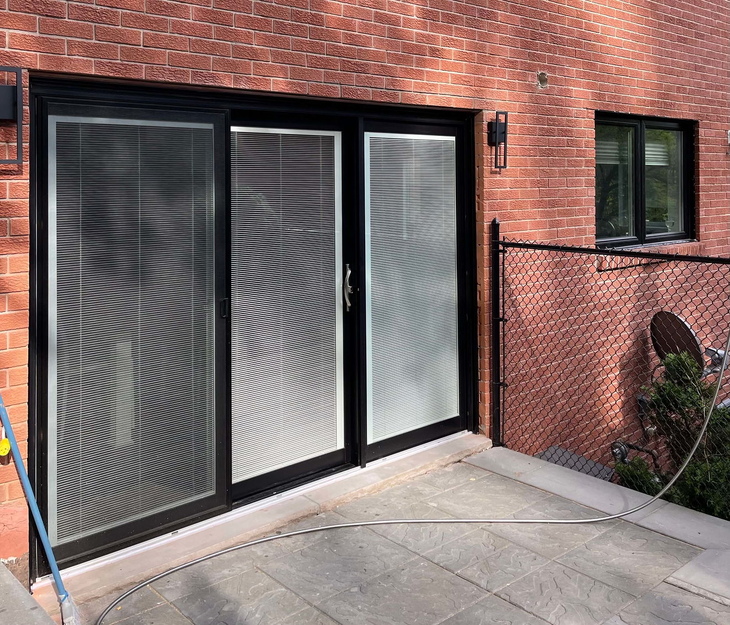
A near-flush threshold on a patio or garden door removes one of the most common trip hazards in a home and makes it far easier for a wheelchair or walker to move between indoor and outdoor space without assistance.
Sliding doors are often easier to operate than swing doors for someone with limited strength, since they don't require pulling a heavy door against its own weight. That said, the right choice depends on the specific mobility needs involved, and a swing door with the right hardware can work well too.
Beyond accessibility, a low-threshold patio door improves sightlines and lets in more natural light, which benefits every member of the household, not just the person the upgrade was planned around.
If you prefer a swing door for layout or personal preference, choosing one with a low-profile sill and a wider clear opening than a standard door can deliver much of the same benefit as a sliding configuration.

Easy-Operate Window Hardware and Lever Handles
Lever-style operators are generally easier to use than cranks for casement and awning windows, since a lever can be pushed or pulled with a closed fist or the side of a hand, rather than requiring a precise grip.
For single-storey living, positioning windows at a reachable height, or choosing hardware placed where it can be reached without stretching, makes a meaningful difference for someone who uses a wheelchair or has limited reach.
Entry Door Features That Support Aging in Place
Lever handles instead of round knobs are one of the simplest and most effective upgrades at the front entry, since they can be opened with an elbow or forearm if needed, not just a full grip.
Wider door frames, where structurally possible, give more room for a wheelchair or walker to pass through comfortably, and are worth discussing early if a larger renovation is already planned.
Good lighting and clear visibility at the entry reduce fall risk after dark and make it easier to see who is at the door without opening it first.
A keyless or smart lock can also support independence for someone who finds a traditional key difficult to manage, though this is worth discussing alongside, not instead of, the physical hardware changes to the door itself.
Planning an Accessibility Upgrade Around Other Renovations
Combining accessibility upgrades with a planned window or door replacement is usually the most efficient way to make these changes, since the labour and disruption are already happening.
Working with a contractor familiar with accessibility needs, not just aesthetics, helps avoid a common mistake: choosing a wider door or window without considering the threshold, hardware, and clearance that actually make it usable.
Why Work with Vinyl Light
Vinyl Light offers custom sizing and a range of hardware options across the product line, which makes it possible to specify a low-threshold patio door or lever-operated window as part of a standard replacement project.
Our team has experience advising GTA homeowners on practical, not just cosmetic, upgrades, and can walk through which changes will make the biggest difference for a specific household's needs.