
When selecting new energy-efficient windows in Canada, the presence of argon gas significantly enhances insulation and minimizes energy loss. Nonetheless, although argon-filled windows provide notable performance advantages, they come with drawbacks, such as potential gas leakage over time in poor-quality windows and higher initial costs, which may not be worth it. Understanding the functionality of argon windows will help you choose the best option for your home.
Key Takeaways
- Argon gas is a non-toxic, inert gas that is situated between the panes of double- or triple-pane windows. It's more compact than air, which decelerates heat transfer, enhancing insulation and energy efficiency.
- Argon gas is placed between window panes because it is denser than air, which reduces heat transfer, enhances insulation, minimizes heat loss in winter, and blocks heat gain in summer.
- Windows filled with argon offer superior insulation, reduced heat loss, and increased energy efficiency, whereas windows filled with air are cheaper, but deliver poor insulation and greater heat transfer and loss.
- Low-E argon windows enhance energy efficiency by improving insulation, reflecting heat, reducing energy expenses, enhancing comfort, and protecting against UV rays.
- Drawbacks of argon gas include: gas leakage over time in low-quality windows, risk of seal failure, a minor price increase, and a shorter lifespan.
- Expert window manufacturing and installation are important as they guarantee accuracy, longevity, and energy efficiency. Well-installed and crafted windows stop air leaks, boost insulation, lower energy bills, and improve security.
What Is Argon Gas in Windows and How Does It Work?
- Argon gas in windows is an inert gas placed between glass panes in double- or triple-glazed windows to enhance insulation.It is located in the enclosed area between the glass layers (insulated glass unit). Manufacturers use argon to fill this gap instead of regular air, as it is denser and reduces heat transfer.
- What is argon gas used for?It minimizes heat loss during winter and heat gain in summer by controlling conduction and convection between the glass layers. This helps maintain more consistent indoor temperatures and enhances energy efficiency.
- Why argon over air?Argon conducts heat less efficiently than air, offering improved insulation without substantially increasing costs.
- How it works (basic physics):Argon is denser and less conductive, which reduces heat transfer through the glass layers, enhancing the window's thermal efficiency.
Additional value:
Argon is invisible, odourless, and harmless; you won’t detect it through the window, yet it operates consistently inside the sealed unit.
Why Is Argon Used in Windows? Key Benefits
- Improved thermal performance. Ardon gas windows feature thick, sluggish argon between the glass layers, resulting in superior heat transfer reduction compared to air.
- Reduced heat loss in winter and heat gain in summer. Retains warm air indoors in winter and prevents heat from entering in summer - perfect for chilly Canadian weather.
- Energy savings. Improved insulation allows your HVAC system to run less frequently, reducing monthly energy costs over time.
- Noise reduction. The gas layer helps minimize external noise (a secondary yet significant benefit).
- Increased comfort near windows. Interior glass remains nearer to room temperature, minimizing cold drafts around windows.
Additional value: If you're curious about why argon is used in windows, it primarily enhances insulation, reduces heating expenses in winter and enhances overall comfort throughout the year in Canada.

Low-E Argon Windows: Why This Combination Matters
A Low-E (low-emissivity) coating is a barely visible metallic film applied to glass that reflects heat while allowing natural light to enter.
The way low-e argon windows function together: in Low-E argon windows, the Low-E coating sends heat back to where it came from (inside during winter, outside during summer), while the argon gas trapped between the panes reduces heat transfer, being denser than air.
Reflection of heat and insulation. Low-E bounces back radiant warmth. Argon gas decreases heat transfer between glass layers. Combined, they form a significantly more robust thermal barrier than either one individually.
Additional value:
Argon by itself enhances insulation, but when paired with Low-E, it greatly increases energy efficiency, reducing heating and cooling expenses and enhancing comfort, particularly in cold Canadian climates.
Argon Windows vs Air-Filled Windows
The main difference between standard air-filled units and argon-filled windows is their insulation effectiveness and enduring efficiency.
| Feature | Air-Filled windows | Argon Windows |
|---|---|---|
| Insulation | Lower | Higher |
| Energy Efficiency | Standard | Improved |
| Heat Transfer | Higher | Much lower |
| Cost | Lower upfront | A bit higher |
| Comfort | Moderate | Best |
Additional value:
Even though windows filled with argon have a marginally higher upfront price, they offer better insulation and reduced heat exchange, leading to considerable energy savings and improved indoor comfort over time.
Drawbacks of Argon Gas in Windows
- Gradual gas leaks occur over time in poor-quality windows, while higher-quality argon windows last a lifetime.
- Likelihood of seal malfunction. If the window seal breaks, argon gas will leak out faster, and moisture could seep between the panes.
- Higher upfront cost. Windows filled with argon come with a higher initial cost than those filled with regular air.
- Challenging to refill. Most sealed units are produced in factories and cannot be refilled once the gas runs out.
Additional value:
Argon windows typically have a durability of 15 to 25 years, depending on seal quality and installation.
Can You Refill Argon Gas in Windows?
- How to refill argon gas in windows, and is it possible? To refill argon gas in windows, one can technically drill into the sealed unit and inject gas into the space between the panes. Nonetheless, this is neither a typical nor dependable repair technique.
- Most manufacturers do not recommend it because it damages the initial sealed unit, does not address the fundamental problem (seal failure), and the gas is expected to leak again eventually.
- Cost vs. replacement: refilling gas between window panes can be expensive as a short-term solution, often approaching the cost of a new unit, without restoring full performance or warranty coverage.
Additional value:
In many situations, replacing the sealed glass unit or whole window is a wiser choice in the long run. It reinstates insulation, guarantees longevity, and preserves energy efficiency.
Common Misconceptions About Argon-Filled Windows
- Argon leaks immediately - false. Argon gas windows are enclosed units engineered to hold gas for extended periods, usually 15–25 years, with gradual depletion.
- You can easily refill it - misleading. Most argon-filled windows are not intended for refilling. Replacing the sealed unit or whole window is generally a better option.
- All windows have argon - false. Numerous conventional or older windows are merely filled with air.
- Argon alone makes windows energy-efficient - incomplete. Argon is beneficial, but true efficiency comes from a combination of elements, including Low-E coatings, high-quality seals, and proper installation.
How to Choose Quality Argon Windows in Canada
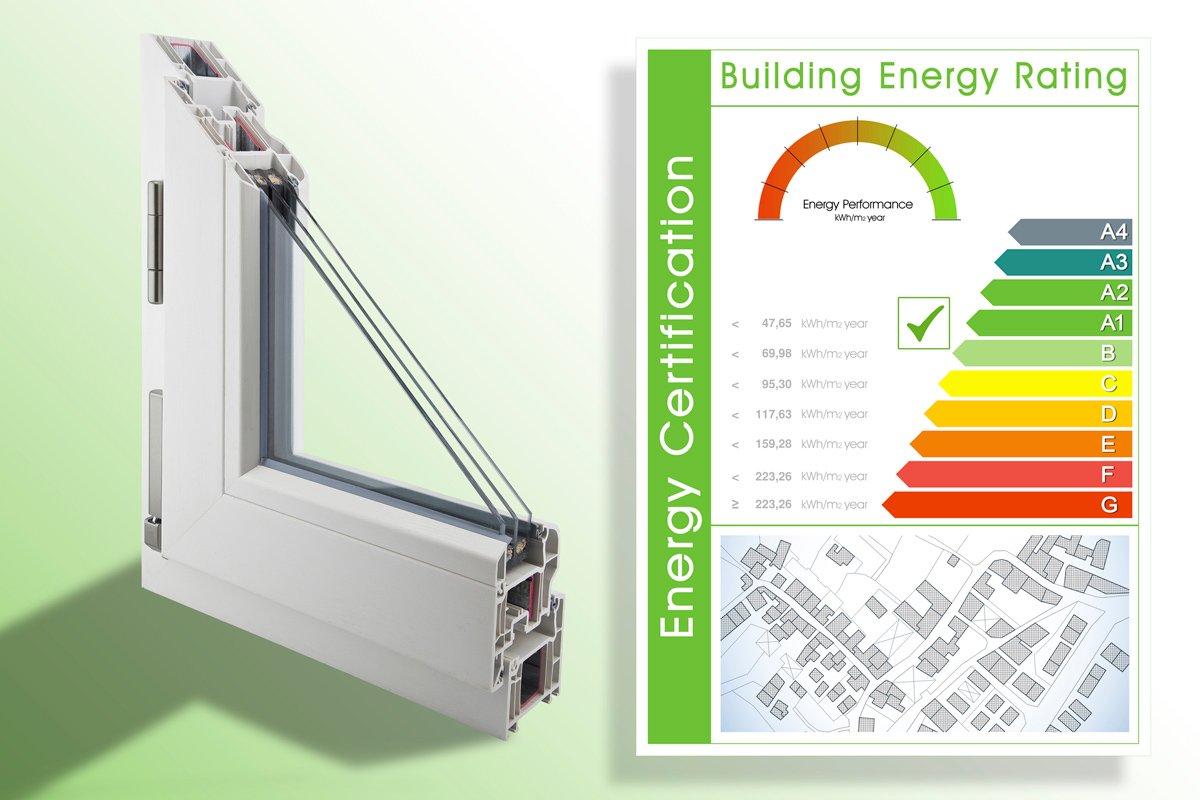
- Importance of manufacturing quality. Seek sturdy frames and precise construction. Premium low-e argon windows from Vinyl Light perform better and last longer in severe Canadian weather.
- Sealed unit technology. A robust, airtight seal retains argon gas and prevents moisture from entering between the panes, ensuring long-lasting insulation.
- Spacer systems. Select warm-edge spacers to minimize heat transfer and enhance energy efficiency.
- Professional installation. Even the finest windows can fail with improper installation; proper sealing and alignment are essential for durability and longevity.
Additional value:
Collaborating with a reliable Canadian manufacturer, such as Vinyl Light Windows & Doors, ensures your windows are crafted for regional conditions, with an emphasis on energy-efficient features and durability.
Why Work with Vinyl Light for Energy-Efficient Windows
- Vinyl Light Windows & Doors is experienced with the challenges of the Canadian climate, providing windows designed to withstand frigid winters and hot summers.
- Vinyl Light provides high-efficiency sealed units.
- Windows from Vinyl Light are equipped with argon gas and Low-E coatings to minimize heat loss, enhance insulation, and improve comfort year-round.
- Homeowners can meet their performance and design requirements with custom window solutions.
- A true professional installation from Vinyl Light guarantees lasting efficiency and durability.
Example scenario:
A homeowner upgrading old double-pane air-filled windows with contemporary low-e argon windows can greatly lower heating expenses, enhance indoor comfort, and achieve long-term energy savings.