Key Takeaways
- A window that doesn’t close properly can compromise energy efficiency, home security, comfort, and noise insulation.
- Common causes include obstructions, warped frames, misaligned sashes, damaged hardware, and worn weather stripping.
- Different types of windows — casement, awning, double-hung, sliding, and double-glazed — have specific repair methods.
- Regular maintenance and professional inspections can prevent costly repairs.
- Vinyl Light Windows & Doors provides reliable window repair and replacement services in Toronto.
Why Your Window Might Not Close All the Way
Windows are one of the most critical components of your home. They provide natural light, ventilation, and protection from the elements. When a window doesn’t close fully, it can lead to several problems:
- Energy loss: Gaps in windows allow heat to escape in winter and let warm air in during summer, increasing utility bills.
- Security issues: Windows that don’t lock properly make your home more vulnerable to break-ins.
- Noise pollution: Incomplete closure reduces soundproofing efficiency.
- Water damage: Rainwater can seep through gaps, causing damage to frames, walls, and flooring.
- Reduced comfort: Cold drafts or hot air can make your home uncomfortable.
Whether you have vinyl, UPVC, or wooden windows, addressing closure issues promptly is crucial for ensuring both safety and efficiency.
“If your window doesn’t close properly, it’s more than just an inconvenience — it can affect your comfort, security, and energy bills,” — experts at Vinyl Light Windows & Doors.
Common Causes of Windows Not Closing Properly
| Cause | Why It Happens | Potential Impact |
|---|---|---|
| Obstruction | Dirt, dust, or debris in the track or frame | Prevents smooth sliding or sash movement |
| Warped Frame | Moisture, temperature fluctuations, or aging | The window doesn’t align properly; it may cause gaps |
| Damaged Hardware | Broken cranks, locks, hinges, or pulleys | Stops the window from operating correctly |
| Misalignment | Building settling or structural changes | Sash doesn’t fit into the frame properly |
| Weather Stripping Damage | Worn, torn, or missing strips | Compromises an airtight seal; energy loss |
| Excessive Paint | Multiple paint layers on wooden frames | Blocks proper closure |
| High Humidity | Wood swelling in humid conditions | Difficult to shut windows fully |
| Broken Glass or Pane | Cracks or structural issues | Prevents the window from seating correctly |
| Improper Installation | Incorrect initial setup | The window doesn’t align with the frame |
| Age & Wear | Components deteriorate over time | Reduced performance, gaps, and difficulty closing |
Step-by-Step Guide: How to Fix a Window That Won’t Close Properly
1. Inspect and Clean Tracks or Rollers
- Sliding and single-hung windows are particularly prone to track obstructions.
- Remove debris, dust, or small objects.
- Apply silicone-based lubricant on rollers for smooth operation.
- Check for damaged rollers and replace if necessary.
2. Check Spring Balances (Double-Hung Windows)
- Double-hung windows rely on spring balances to support the weight of the sash.
- Broken or worn springs may prevent the window from staying in place or closing fully.
- Replace damaged springs carefully or hire a professional to avoid injury.
3. Adjust Alignment
- Misaligned sashes or frames can cause windows to stick.
- Loosen screws and slightly reposition the sash.
- Ensure the window fits snugly into the frame without gaps.
4. Repair or Replace Hardware
- Inspect cranks, hinges, locks, and pulleys for wear.
- Lubricate hinges and screws.
- Replace broken or deformed hardware to restore smooth operation.
5. Examine the Window Frame
- Check for warping, cracks, or rot.
- Wooden frames may need sanding or replacement in extreme cases.
- Vinyl or UPVC frames may require professional adjustment or replacement.
6. Inspect Weather Stripping
- Damaged weather stripping reduces energy efficiency and allows drafts.
- Remove old strips and install new, high-quality weather seals.
- Ensure strips create a tight seal along the entire sash perimeter.
7. Call Professional Assistance
- If DIY solutions don’t work, contact Vinyl Light Windows & Doors.
- Professionals can evaluate the issue, recommend repairs or replacements, and ensure long-term performance.
Specific Window Types and Their Solutions
Casement Windows
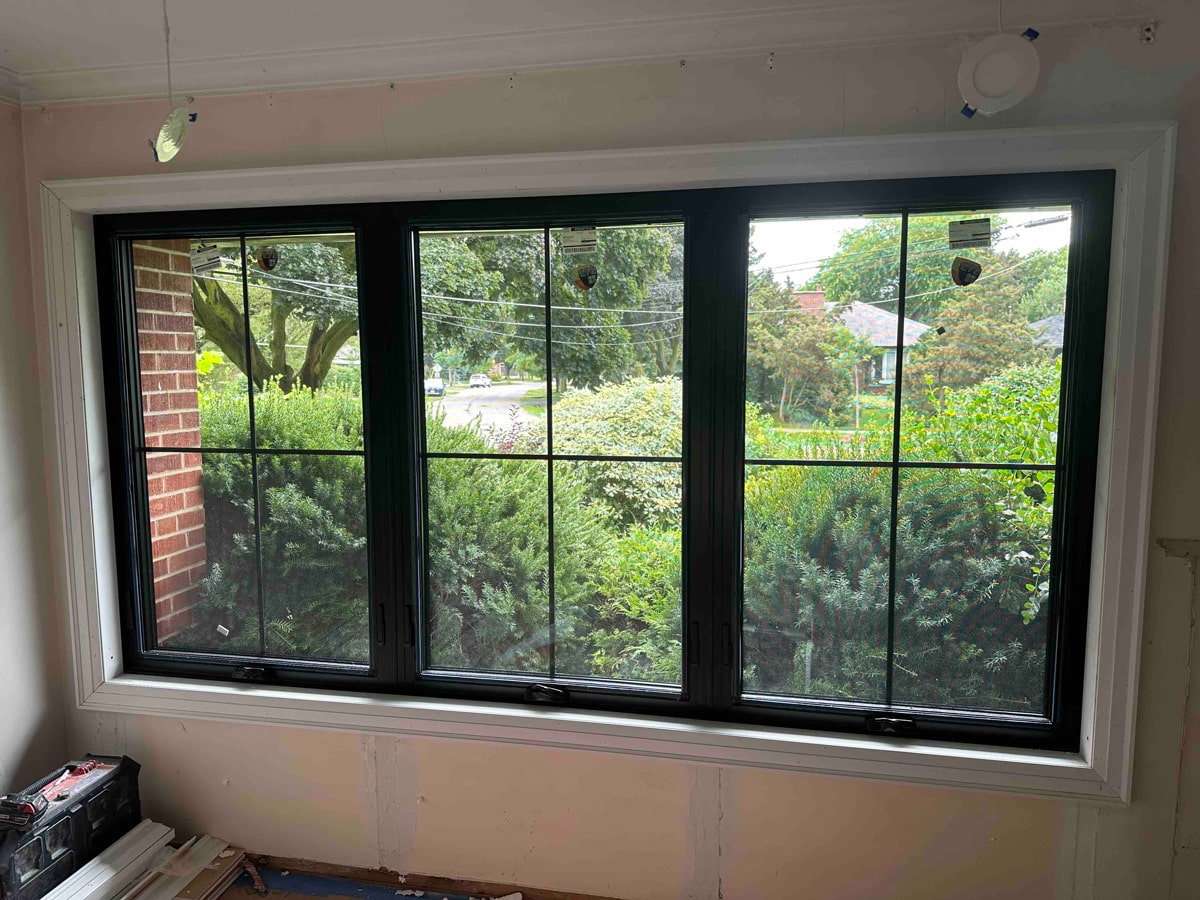
Casement windows are hinged on the side and operate with a crank. Common issues:
- Obstructions: Dirt, debris, or objects in the path can prevent closure.
- Hinges: Bent or damaged hinges make the window misalign.
- Crank Mechanism: Lubricate moving parts and tighten screws.
- Window Operator: Replace if broken.
Pro Tip: Regular lubrication of the crank mechanism ensures smooth operation and prevents damage.
Please, read through more of our blogs here:
Leaking windows: why it happens and how to fix it?
How to remove and prevent window condensation?
How to tell when windows need replacing?
Awning Windows

Awning windows are top-hinged and open outward. Closure problems often arise from:
- Debris in the track or frame.
- Misaligned hinges; most awning windows have adjustment screws to realign the sash.
- Damaged handles or locks.
Tip: Ensure the operator arm moves freely and seals tightly when closed. Professional inspection is recommended for persistent issues.
Sliding Windows

Sliding windows slide horizontally:
- Clean tracks and rollers thoroughly.
- Remove any obstructions along the window path.
- Check for proper balance on single-hung or single-slider windows.
- Lubricate rollers to improve movement.
Tip: Avoid forcing the sash; persistent resistance may indicate track warping or roller damage.
Double-Glazed Windows
Double-glazed windows require precise alignment:
- Check for warped frames, cracked panes, or damaged seals.
- Clean frames and tracks thoroughly.
- Tighten or replace hinges and locking mechanisms.
- Adjust sash alignment using screws or adjustment mechanisms.
Contact Vinyl Light Windows & Doors for professional double-glazed window repair and replacement.
Common Mistakes Homeowners Make
- Ignoring early warning signs, such as drafts, difficulty closing, or squeaky hardware, can often lead to bigger problems.
- DIY repairs without proper knowledge: Incorrectly replacing springs or hardware can worsen issues.
- Neglecting maintenance: Regular cleaning and lubrication prevent closure problems.
- Skipping professional inspection: Older windows or double-glazed units benefit from professional assessment.
Maintenance Tips to Prevent Closure Issues
- Clean tracks, frames, and sashes at least twice a year.
- Inspect and replace weather stripping as needed.
- Lubricate cranks, hinges, and rollers annually.
- Avoid excessive paint layers or moisture exposure for wooden frames.
- Schedule professional inspections for windows older than 10 years.
Pro Tip: Maintenance not only prevents issues but also extends the lifespan of vinyl and UPVC windows, keeping your home energy-efficient and secure.
When to Replace Your Windows
Sometimes, fixing a window isn’t enough. Consider replacement if:
- Frames are warped beyond repair.
- Glass or seals are cracked or permanently damaged.
- Hardware is obsolete or unavailable.
- Windows are over 20 years old and inefficient.
Vinyl Light offers custom vinyl window replacements designed for Toronto homes, ensuring durability, energy efficiency, and low maintenance.
FAQ: How to Fix a Window
Why won’t my window close properly?
Windows may not close fully due to obstructions in tracks, warped frames, misaligned sashes, damaged hardware, or worn weather stripping. Different types of windows may have specific issues that prevent closure.
How can I fix a stuck window myself?
Start by cleaning tracks and rollers, lubricating moving parts, checking spring balances (for double-hung windows), adjusting alignment, and replacing or repairing damaged hardware. Always follow safety precautions and manufacturer instructions.
Do casement and awning windows close differently than sliding windows?
Yes. Casement windows use a crank mechanism and hinges, while awning windows are top-hinged and open outward. Sliding windows move horizontally on tracks. Each type has specific solutions for closure issues.
When should I call a professional for window repair?
If DIY solutions don’t work, hardware is broken, frames are warped, or your window is double-glazed, contact a professional window company like Vinyl Light Windows & Doors for safe and reliable repairs.
Can I prevent windows from getting stuck?
Regular maintenance helps: clean tracks and frames, lubricate hinges and cranks, inspect and replace weather stripping, and schedule professional inspections, especially for older windows.
Will fixing a window that won’t close save energy?
Yes. Properly closing windows reduces drafts and heat loss, improving your home’s energy efficiency and lowering utility bills.
Does Vinyl Light Windows & Doors replace all types of windows?
Yes. Vinyl Light offers replacement services for casement, awning, double-hung, sliding, and double-glazed windows in Toronto, ensuring proper functionality and long-term performance.