When homeowners replace windows, one of the most common and confusing questions is whether to install vinyl windows with a nailing flange (also called a nail fin) or without it. The difference may seem minor, but it affects water protection, air tightness, installation method, and the window's long-term durability.
Many installation problems do not arise from the window itself but from selecting the wrong installation method for the specific situation. This guide explains, in plain, practical terms, how vinyl windows are installed with and without a flange, when each method is appropriate, and what it means for your home.
Key Takeaways
- Nailing flanges help integrate windows into the building envelope
- Not all projects require a flange
- Retrofit installations commonly use non-flanged methods
- Correct installation prevents air and water issues
- Choosing the right method protects your investment
What Is a Nailing Flange (Nailing Fin) — Explained Simply
A nailing flange is a thin vinyl strip that extends from the perimeter of the window frame. It includes pre-punched holes for fasteners and is installed behind the exterior siding after the window is installed.
Its main purpose is not structural strength, but weather protection and positioning.
What the Flange Actually Does
- Anchors the window to the wall structure
- Helps position the window correctly in the opening
- Works with flashing tape and house wrap to block water
- Creates a continuous barrier against wind-driven rain
In simple terms, the flange allows the window to be integrated into the home’s weather-resistant barrier system.
What Is a Window Installed Without a Nailing Flange?
A window installed without a flange is mounted directly into the existing opening using fasteners through the window frame or specialized installation brackets.
This method is most often used during retrofit or replacement projects, where:
- The original window frame remains in place, or
- Removing siding is not practical or cost-effective, or
- Brick, stone, or stucco exterior finishes are present
In these cases, a flange would either be inaccessible or unnecessary.
When Windows Are Installed Without a Flange (Real-Life Scenarios)
Installing vinyl windows without a flange is common and correct in many situations.
Typical Use Cases
- Retrofit window replacement (frame-to-frame installation)
- Brick-to-brick installation
- Homes with masonry, stucco, or stone exteriors
- Situations where siding removal is not planned
Why this matters for homeowners:
This method minimizes disruption to exterior finishes while still achieving proper insulation and sealing when done correctly.
How Installing a Window Without a Flange Actually Works
Although no flange is used, water and air protection are still critical.
Step-by-Step Explained in Plain Language
- Preparing the opening
The opening must be clean, level, and square so the window sits evenly and seals properly. - Installing sill flashing
Flashing protects the bottom of the opening from water infiltration — one of the most vulnerable areas. - Applying sealant
A continuous bead of sealant creates an airtight and watertight seal between the window and the opening. - Setting the window
The window is carefully positioned, levelled, and supported to prevent twisting or binding. - Fastening through the frame
Screws secure the window to the structure without distorting the frame. - Insulating the gap
Low-expansion foam fills remaining spaces, preventing drafts and heat loss. - Interior and exterior finishing
Trim and caulking complete the seal and provide a finished appearance.
Benefit to the homeowner:
This method delivers excellent energy efficiency while preserving the home’s exterior.

What Is a Flanged Window Installation?
Installing a vinyl window with a flange means the window is secured to the wall structure through the flange itself before siding or exterior finishes are installed.
This method is commonly used in new construction or full exterior renovation projects.
When Flanged Window Installation Is the Right Choice
Typical Use Cases
- New home construction
- Full window replacement where siding is removed
- Homes with vinyl or aluminum siding
- Projects where maximum water management is required
Why homeowners choose this method:
It allows the window to be fully integrated into the building envelope for optimal water protection.
How Flanged Windows Are Installed (Explained Simply)
- Opening preparation
The rough opening is checked for level and squareness. - Flashing installation
Flashing tape is applied to protect the sill and sides from moisture. - Window placement
The window is placed into the opening so the flange sits flush against the sheathing. - Fastening through the flange
Screws or nails secure the window through the flange into the wall studs. - Insulating around the frame
Insulation prevents air leakage and heat loss. - Exterior trim installation
Trim covers the flange, creating a finished look. - Interior finishing
Interior trim and sealing complete the installation.
Benefit to the homeowner:
Superior water resistance and long-term durability for siding replacement.
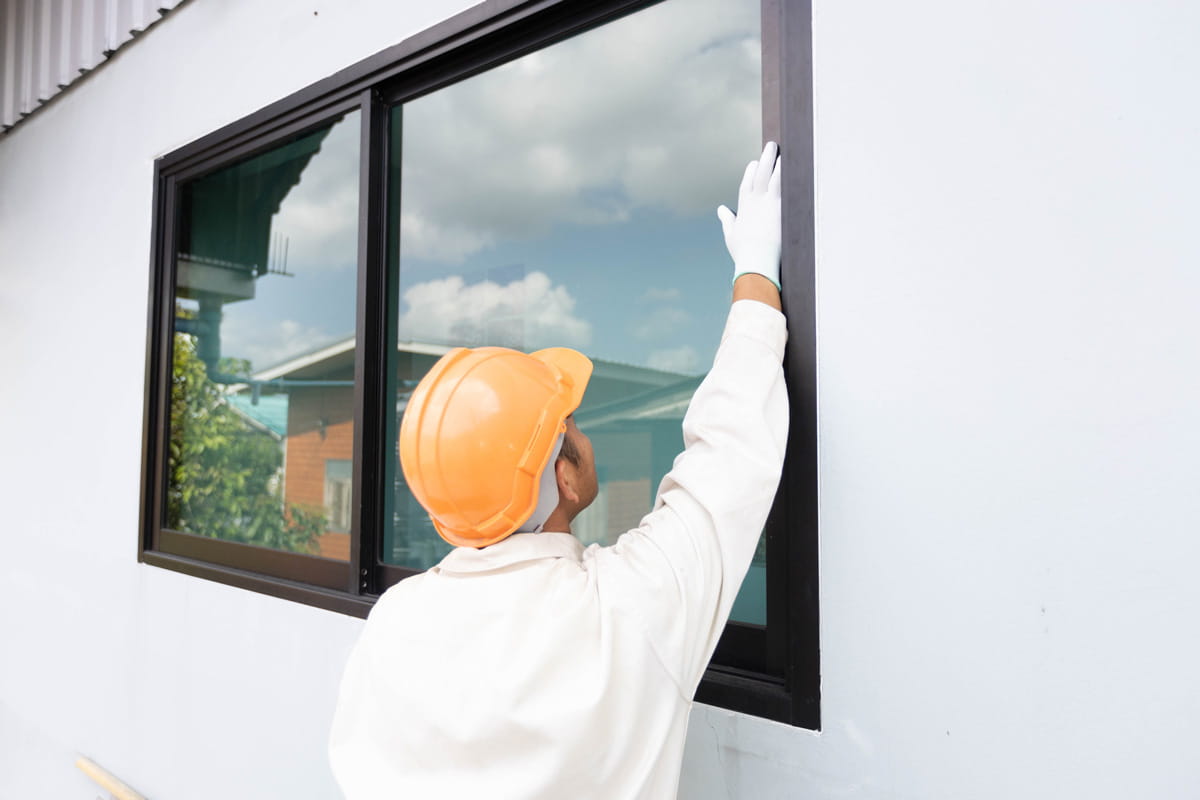
Installing Windows With vs Without Flange — Explained Clearly
| Aspect | Without Flange | With Flange |
|---|---|---|
| Typical use | Replacement projects | New construction |
| Exterior removal | Not required | Usually required |
| Water protection | Sealant + flashing | Flange + flashing |
| Cost impact | Lower | Higher |
| Best for | Existing homes | Full renovations |
Neither method is “better” — the correct choice depends on the home and project scope.
Should You Nail or Screw a Window Flange?
Although called a “nailing fin,” screws are generally preferred.
Why Screws Are Better
- Stronger and more consistent hold
- Easier adjustment during installation
- Reduced risk of frame distortion
- Less chance of damaging the window
For homeowners:
Using screws improves installation precision and long-term performance.
Why Professional Installation Matters
Improper installation can lead to:
- air leaks,
- water damage,
- condensation,
- premature window failure.
Professional installers understand:
- How to choose the correct method,
- How to integrate windows with the building envelope,
- How to avoid common installation mistakes.
Vinyl Light Window Installation in Toronto & the GTA
Vinyl Light provides professional vinyl window installation with and without nailing flanges, using modern, code-compliant methods such as:
- retrofit installation
- brick-to-brick installation
- full-frame replacement
We supply and install all window styles, including:
- casement, awning, sliders
- single- and double-hung
- bay and bow windows
- picture and egress windows
Our team services Toronto, the GTA, and surrounding areas, guiding homeowners through every step — from product selection to final installation.