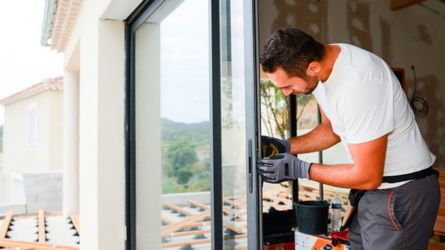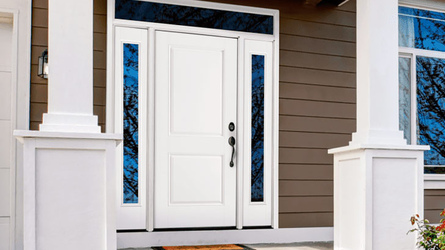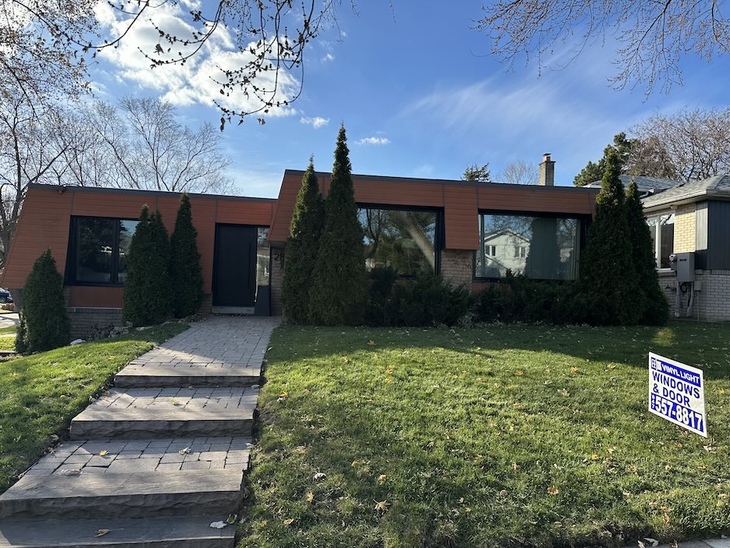

GTA homeowners are seeing more high-wind and severe storm events than in past decades, and windows are one of the first things tested when a storm hits. Quality vinyl windows, properly installed, are built to handle wind loads, driving rain, and hail far better than older single-pane or poorly sealed units.
It is one thing for a window to look solid on a calm day and another for it to hold its seal and its frame during a genuine wind event. This guide covers what actually makes a window storm-resistant and how to tell if your current windows are due for an upgrade.
The difference between a window that performs well in a storm and one that does not is rarely visible from the street. It comes down to frame construction, hardware, and sealing details that only get tested when the wind and rain actually arrive.
Key Takeaways
- Storm patterns across the GTA have shifted toward more frequent high-wind and severe rain events in recent years.
- Several specific features, not just glass thickness, are what make a window genuinely storm-resistant.
- Wind load ratings give homeowners a way to understand how a window is expected to perform under pressure.
- Vinyl windows generally perform well against hail and driving rain when properly built and sealed.
- Certain warning signs suggest current windows will struggle in a severe storm.
How GTA Storm Patterns Have Changed
Southern Ontario has seen a general trend toward more frequent high-wind and severe rain events in recent years, a pattern reflected in insurance industry reporting and municipal storm response planning across the region.
This matters more for homeowners today than it did a generation ago, since windows that performed adequately under older, milder weather patterns are now being tested more often and more severely.
This shift is one reason it is worth evaluating window performance not just against how a home has fared historically, but against what conditions are becoming more common, particularly for homes on exposed lots or upper floors.
What Makes a Window Storm-Resistant
Frame strength and reinforcement determine how well a window resists flexing and deforming under wind pressure, which helps keep the seal intact when the storm is at its worst.
The quality of the seal and weatherstripping around the sash matters as much as the frame itself, since even a strong frame will leak if the seal around the moving parts has degraded.
Multi-point locking hardware keeps the sash pulled tight against the frame during high wind, preventing the small gaps that let wind-driven rain find its way inside.
The way a window is installed matters as much as the window itself. Gaps left around the frame during installation, or foam and flashing applied incorrectly, can undermine even a well-built window's storm performance.
This is why two identical windows installed by different crews can perform very differently in the same storm. The product sets the performance ceiling, but installation quality determines how close the window gets to it.
Wind Load Ratings Explained
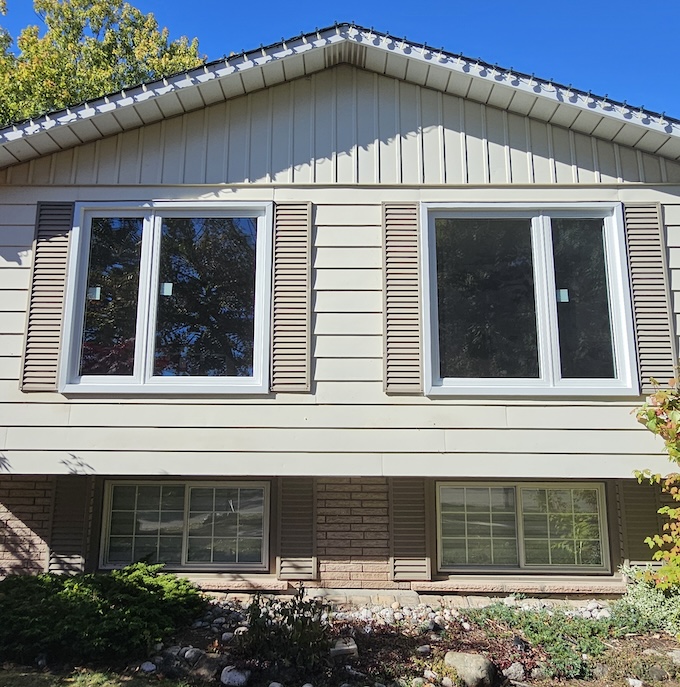
A wind load rating measures how much wind pressure a window is designed to withstand without failing, expressed as a standardized rating that lets homeowners compare products consistently.
Ratings matter more for exposed sites, open yards with no windbreak, upper floors of a home, and waterfront-adjacent areas, where wind speeds tend to be higher and more sustained than in sheltered locations.
A homeowner in a sheltered, tree-lined lot may not need to prioritize the highest available rating, while a home on an open corner lot or near the waterfront benefits from paying closer attention to this spec when comparing window options.
What a Wind Load Rating Number Actually Tells You
Wind load ratings are typically expressed as a pressure value the window assembly has been tested to withstand without structural failure or air and water infiltration beyond an acceptable threshold.
A higher rated window generally uses a reinforced frame, thicker glass, or additional internal bracing to achieve that performance, all of which add to the base cost of the unit.
How Vinyl Windows Perform Against Hail and Driving Rain
Quality glass and frame assemblies resist hail better than older, thinner glass, especially when paired with a well-supported frame that doesn't flex under impact.
Proper sealing around the frame prevents wind-driven rain from working its way in around the window edges, a different failure point than the glass itself.
Impact resistance also depends on how the glass unit is glazed into the frame. A pane that is properly seated and secured all the way around distributes impact force more evenly than one held with minimal contact, which reduces the chance of cracking under a hail strike.
Preparing for Storm Season Ahead of Time
A quick seasonal check before spring and fall storm activity picks up can catch small issues- a loose screen, a gap in caulking, worn weatherstripping- before they become the reason a window fails during an actual event.
For homes with larger or more exposed windows, keeping an eye on the weather forecast and knowing which windows are most exposed to wind and driving rain helps you prioritize where a seasonal check matters most.
None of this replaces professional inspection when something seems off. A homeowner check is a good first pass, but a persistent draft, a soft spot in the frame, or recurring water intrusion after a storm is worth having a professional look at directly.
Signs Your Current Windows Won't Hold Up in a Storm
Visible gaps, warped frames, or failing weatherstripping are all signs that a window's ability to seal against wind and rain has already degraded.
Single-pane or very old double-pane units generally lack the frame strength and sealing systems built into modern windows, which puts them at higher risk during a severe storm.
Rattling or whistling during high wind is a clear, audible sign that air, and likely water, is finding its way past the seal.
A simple test is to hold a hand near the edge of a closed window on a windy day. Noticeable air movement strongly indicates the seal has degraded enough to let water through during driving rain.
Why Work with Vinyl Light for Storm-Ready Windows
Vinyl Light manufactures windows built for the Canadian climate, with the frame strength and sealing systems that matter most when a storm actually hits.
Proper installation is the other half of storm performance, not just the product itself. A well-built window installed incorrectly will still leak or fail under pressure, which is why our installation process is treated with the same care as manufacturing.