Leaking Basement Windows: Causes, Fixes, and Waterproofing Solutions
Key Takeaways
- Basement window leaks can result from clogged gutters, failed caulking, poor grading, or aging window frames.
- Timely maintenance (caulking, cleaning gutters, checking window wells) helps prevent water damage and mould growth.
- Window replacement is often the most effective long-term solution, especially for old or rotting frames.
- Professional inspection is recommended if leaks persist despite DIY fixes.
Why Leaking Basement Windows Are a Serious Problem
Leaking basement windows are more than just a nuisance—they can damage your home’s foundation, reduce indoor air quality, and encourage mould growth. Over time, excess moisture can damage stored belongings, compromise insulation, and even pose a health risk. Addressing leaks early is essential to avoid costly repairs in the future.
What Causes Basement Window Leaks?
Basement window leaks can occur for several reasons:
|
Cause |
Description |
DIY Solution |
When to Call a Pro |
|
Clogged gutters |
Overflowing gutters push water toward the basement windows |
Clean gutters, extend downspouts |
If gutters are damaged |
|
Damaged caulking |
Old caulking cracks, letting water seep in |
Reapply fresh caulk around frames |
If leaks persist |
|
Missing/Improper window well |
Poor drainage around windows allows water to pool |
Install a steel window well, fill with gravel |
For proper grading & drainage |
|
Uncovered window well |
Leaves, dirt, and snow fill wells, trapping water |
Install a well cover |
If water keeps pooling |
|
Old/rotted frames |
Wooden or damaged frames no longer seal properly |
Temporary patching |
Replace with new vinyl windows |
|
Poor grading |
The yard slopes toward home, directing water inside |
Professional grading |
Always hire an expert |

How to Fix a Leaking Basement Window
If you notice water seeping through your basement windows, several possible fixes depend on the cause of the leak. Some of them are short-term solutions, while others, such as complete window replacement, offer long-lasting protection.
1. Unclog Gutters and Extend Downspouts
Clogged gutters are one of the leading causes of water infiltration around basement windows. Clean your gutters at least twice a year and make sure downspouts extend 4–6 feet away from your home’s foundation. This prevents rainwater from pooling near the basement windows.
2. Re-Caulk the Window Frame
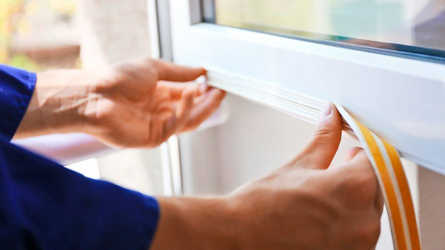
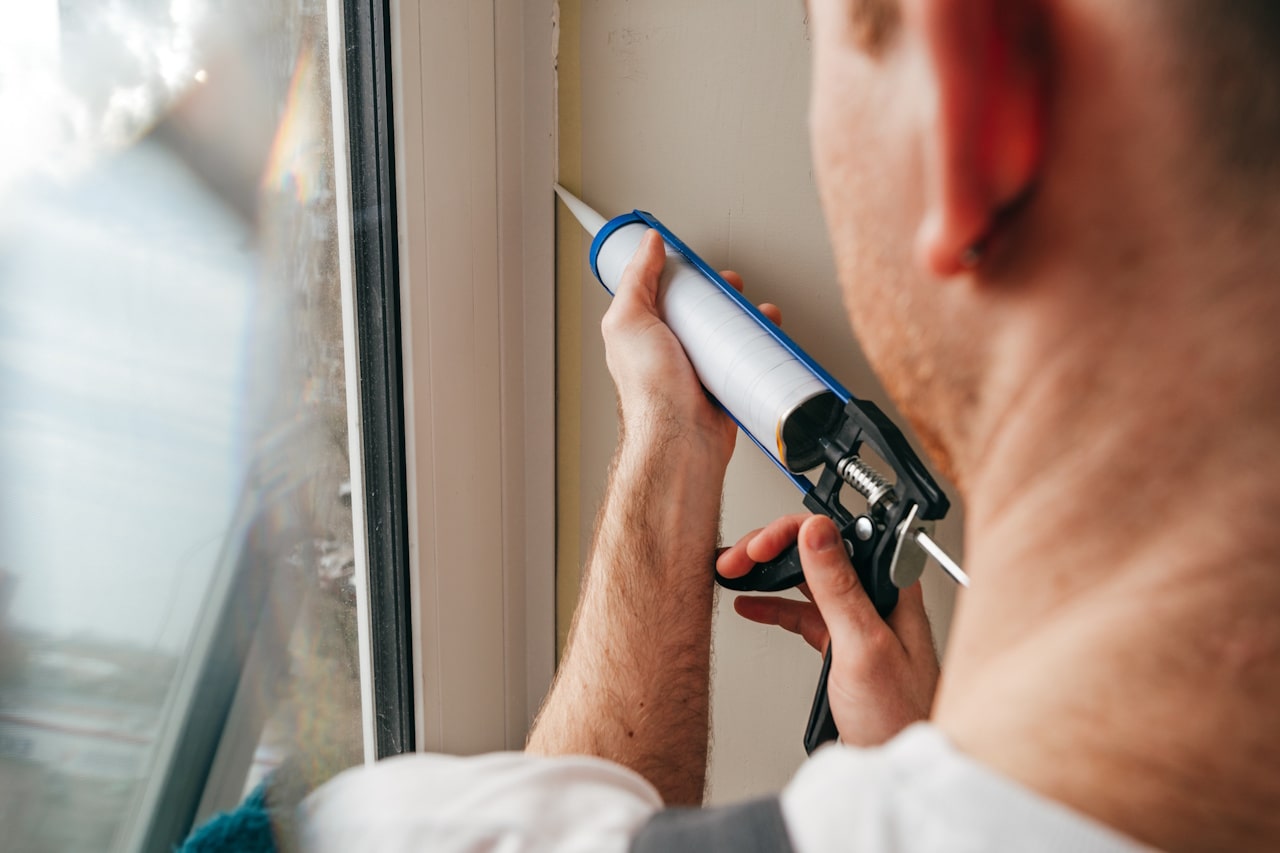
Over time, caulking dries out, cracks, and loses its sealing ability. Applying a fresh bead of high-quality exterior caulk around the frame and glass can temporarily stop minor leaks. However, this is often a short-term solution if the window frame itself is deteriorating.
3. Install or Repair Window Wells
Window wells help redirect water away from basement windows. If yours is missing or improperly installed, water can pool directly against the window. An adequately designed well with gravel at the base improves drainage and minimizes leaks.
4. Add a Window Well Cover
A simple but effective upgrade, a well cover keeps rain, snow, and debris out of the well. This prevents water buildup and reduces the likelihood of leaks after storms or snowmelt.
5. Adjust the Grading Around Your Home
If your yard slopes toward the foundation, rainwater will naturally flow toward the basement. Re-grading ensures the slope directs water away from the house. This fix typically requires professional help, but it can make a big difference in preventing leaks.
6. Replace Leaking Basement Windows — The Most Reliable Solution
While the above fixes can be helpful, they are often temporary solutions. If your basement windows are more than 15–20 years old, or if the frames are cracked, rotting, or warped, replacement is the only long-term solution.
Why replacement is the best option:
- Stops leaks permanently – new vinyl frames seal tightly and prevent water penetration.
- Improves energy efficiency – older windows lose insulation, raising utility bills.
- Boosts home value – updated windows increase both curb appeal and resale value.
- Requires less maintenance – modern vinyl basement windows don’t rot, swell, or warp.
Pro tip: Investing in new basement windows not only eliminates current leaks but also prevents future water damage, saving you money on repairs and mould remediation in the long run.
Find more articles on the topic here:
- Standard window sizes in Ontario, Canada
- Hopper windows in Canada: sizes, replacement, installation and cost
- Best window installers in Toronto
Best Waterproofing Tips for Basement Windows
To keep your basement dry and protected:
- Inspect and clean window wells each season. Remove leaves, soil, and debris.
- Re-caulk every few years to maintain a tight seal around frames.
- Clean gutters twice a year to prevent overflow into the basement windows.
- Check the grading of your yard—ensure the slope directs water away.
- Plan for replacement if your windows are inefficient, rotting, or leaking repeatedly. Energy-efficient vinyl basement windows help reduce heating costs and enhance a home's value.
When Should You Replace Your Basement Windows?
Basement windows play a crucial role in keeping your home dry, energy-efficient, and secure. While regular maintenance can extend their lifespan, there comes a point when replacement is the best option. You should consider replacing your basement windows if:
The frames are cracked, rotting, or warped
Damage to wooden or metal frames compromises the seal, allowing water and cold air to enter. Over time, this can weaken your home’s foundation and lead to costly structural repairs.
Water leaks persist despite regular maintenance
If re-caulking or resealing does not stop leaks, it is a sign that the windows have lost their integrity. Continuous leaks can cause basement flooding, mould growth, and long-term water damage.
Condensation and mould appear frequently
Excessive condensation between panes or around the frame means the glass seal is failing. Mould not only damages materials but also poses health risks for your family.
The windows feel drafty or increase energy bills
Drafts are a sign of poor insulation. Old or poorly sealed basement windows require your heating and cooling system to work harder, resulting in increased monthly energy costs.
Best Solution:
Modern vinyl replacement basement windows are the most durable and cost-effective choice. They resist moisture and warping, provide excellent insulation, and require little maintenance compared to wood or aluminum. Upgrading to vinyl windows helps prevent leaks, improves energy efficiency, and enhances the overall value of your home.
Final Thoughts
Basement window leaks are a warning sign that shouldn’t be ignored. Whether it’s clogged gutters, failed caulking, or old frames, timely action will save you from mould, structural damage, and higher utility bills. For lasting results, consider professional waterproofing and window replacement.
Contact Vinyl Light Windows and Doors for expert advice and basement window replacement solutions in Toronto and across the GTA.
FAQ: Leaking Basement Windows
When should I call a professional for a basement window leak?
If leaks persist despite DIY fixes, if the frames are rotting or warped, or if grading and drainage issues exist, a professional inspection is recommended to prevent structural damage and mould growth.
Are basement window replacements expensive in Toronto?
Costs vary depending on window size, type, and customization; however, modern vinyl basement windows are cost-effective in the long run due to their durability, energy efficiency, and reduced maintenance requirements.
Can mould develop from leaking basement windows?
Yes. Leaks create excess moisture, which encourages mould growth around window frames and in the basement. Replacing leaking windows and addressing water entry points helps prevent mould.
Do new basement windows improve energy efficiency?
Absolutely. Modern vinyl windows provide better insulation, reduce drafts, and help lower heating and cooling costs, making your home more energy-efficient.
What are the benefits of installing vinyl basement windows?
Vinyl windows offer:
- Durability: Resistant to rot and corrosion.
- Energy efficiency: Better insulation properties.
- Low maintenance: Easy to clean and maintain.
- Aesthetic appeal: Available in various styles to match home decor.