
If you live near a busy road, a streetcar route, the 401, or a transit corridor, you may have wondered whether new windows can reduce noise. The truthful response: yes, but only specific features genuinely minimize noise; sometimes, more panes aren't the solution. This guide explains what works, what doesn't, and which windows can significantly improve a noisy Toronto residence.
Key Takeaways
- No window is entirely "soundproof." The practical goal is significant noise reduction, especially from traffic, construction, neighbours, or other outdoor noise.
- The key element to evaluate is the window’s STC rating, which is Sound Transmission Class, indicating how effectively a window unit diminishes airborne noise. Typically, a higher STC rating indicates better sound control.
- The features that genuinely cut noise:
- Laminated glass. An excellent enhancement, since the interlayer helps reduce sound vibrations.
- Triple-pane glass. Adds an extra layer and air gap, which can improve noise reduction, but the specific glass configuration matters.
- Asymmetric glass thickness. Varying glass thicknesses help block a broader spectrum of sound frequencies.
- Wider air gaps. A greater distance between glass layers may improve sound insulation.
- Sealed airtight installation. A high-quality window can still perform poorly if air leaks around the frame or installation area.
- Choosing triple-pane glass alone doesn't guarantee a quieter window. Gas fills, Low-E coatings, and frame colour mainly affect energy efficiency or aesthetics, not noise reduction. Real-world acoustic performance depends on the entire glass setup, including the frame and installation.
- Which window styles perform best in noisy locations? In residences close to busy streets or other major noise sources:
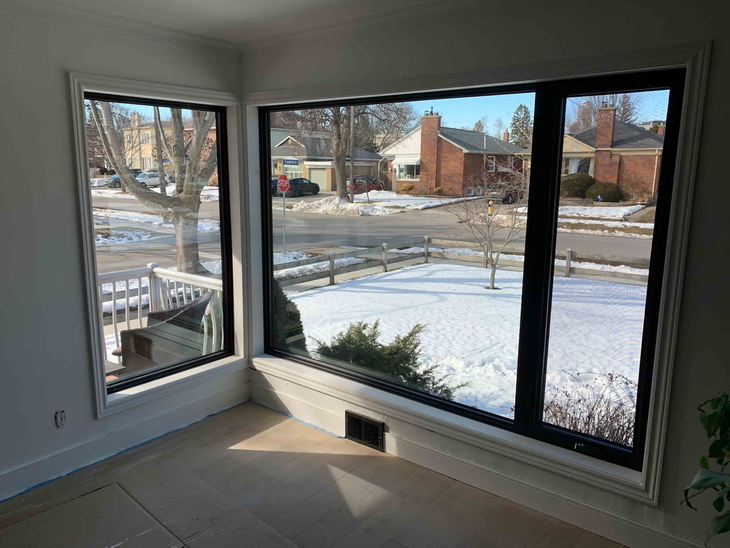
- Fixed Picture windows typically provide superior sound insulation because they have fewer moving parts and form a tight seal.
- Casement windows are a robust option because their compression seals fit securely.
- Sliders and Double-hung windows can still offer effective noise reduction, but their operating mechanisms can make it harder to achieve equivalent airtightness.
Can Windows Really Reduce Street Noise?
Windows can greatly reduce traffic, construction, and other outdoor noise coming into your home, but complete silence is unattainable.
The goal is to lower noise enough to make your indoor space significantly calmer and more pleasant. When evaluating soundproof windows, Toronto residents should consider the STC (Sound Transmission Class) rating. STC evaluates how well a window blocks airborne noise. The greater the rating, the more effective the sound attenuation. Properly designed noise-reducing windows significantly reduce sound, especially when paired with professional installation that ensures an airtight seal.
Understanding STC Ratings for Windows
STC, or Sound Transmission Class, assesses the effectiveness of a window in minimizing airborne noise. The greater the number, the better the window can dampen sound. Higher-rated STC windows typically block more traffic, voices, and external noise than lower-rated ones.
A typical double-pane window can achieve an STC rating of about 26-30, while a noise-optimized window can reach around 35-40+, depending on the glass type, air spaces, frame, and installation quality. That distinction can be clear: noisy traffic might seem softer and less bothersome, but it still won't be completely quiet.
The key is to evaluate the whole window system, not just the glass. Laminated glass, varying glass thicknesses, larger air gaps, and sealed installation can improve real sound reduction.
What Actually Reduces Noise
| Feature | Noise impact |
|---|---|
| Laminated glass | Very high. An acoustic interlayer reduces sound vibrations, making laminated glass windows highly effective for minimizing traffic noise and the best windows for street noise. |
| Triple pane | High. Triple-pane noise reduction can be significant compared to standard double-pane windows, especially when you use different glass thicknesses. |
| Asymmetric glass thickness | High. Using panes of varying thickness effectively disrupts a broader spectrum of sound frequencies than uniform panes. |
| Wider air gaps and gas fill between panes | Moderate. Larger gaps between panels can enhance soundproofing. Gas fills may also play a role, but glass thickness and spacing are typically more critical for sound performance. |
| Airtight sealing and correct installation | Very high. Even high-quality glass may be ineffective if gaps in the frame let sound pass through. Correct sealing and installation are crucial. |
What Doesn't Help as Much (Common Myths)
When deciding how to reduce road noise, some enhancements are often overvalued. Simply adding more panes of the same glass thickness may provide less sound reduction than expected. A better acoustic design typically incorporates varying glass thicknesses and a well-planned air gap.
Argon gas is another often-misinterpreted feature. It improves thermal insulation, but its effectiveness in reducing external noise is somewhat limited.
For effective noise reduction, the airtight seal and glass package matter far more.
Thick curtains and window films can somewhat reduce sound within a room, but they are no match for well-designed laminated or asymmetric glass along with a properly sealed window installation.

Best Window Types for Noisy Toronto Locations
- Fixed, or picture, windows typically provide superior acoustic performance because they lack operable sashes or opening mechanisms. Fewer components and a continuous seal provide better resistance to external noise. They are especially useful for large spaces near busy roads where ventilation through that opening isn't necessary.
- Casement windows represent another excellent option. Their sash seals with a compression mechanism, forming a more secure barrier than most sliding or single-hung models. For homeowners seeking both ventilation and improved noise reduction, casement windows are typically a better choice than sliding windows.
| Toronto location | Recommended window style | Why |
|---|---|---|
| Busy main road | Fixed/Picture window and Casement | Emphasize secure seals and soundproof glass on windows facing the street. |
| Streetcar route | Fixed/Picture window and Casement | Aids in reducing noise caused by traffic, wheels, and vibrations. |
| Near a highway | Fixed/Picture window and Casement for ventilation | Combine airtight performance with laminated/acoustic glass to improve noise reduction. |
Installation Matters as Much as the Glass
- Even the best acoustic glass can underperform if air gaps remain around the window frame. Sound travels easily through small openings, so a poorly sealed window can undermine the noise-reduction benefits of upgraded glazing.
- Proper sealing and professional installation are essential for real noise reduction. The window needs to fit correctly, with the frame sealed tightly to the surrounding opening and all potential gaps addressed. For homeowners dealing with traffic, streetcar, or highway noise, installation quality should matter as much as choosing the right glass package.
Why Work with Vinyl Light
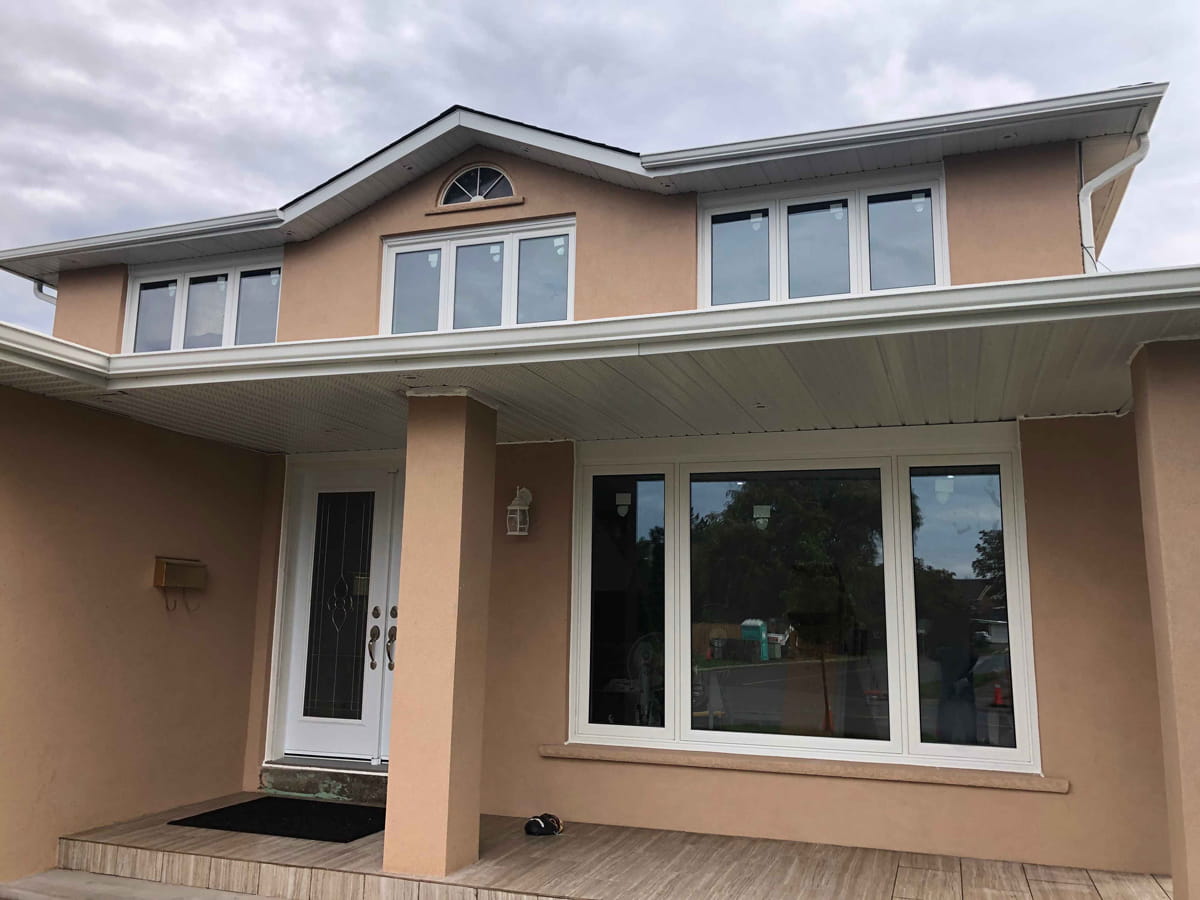
- When reducing road and street noise, the glass package is only part of the equation. Vinyl Light Windows & Doors offers custom glass configurations designed around your home's specific noise conditions, including triple pane and laminated/acoustic glass options.
- Because Vinyl Light is both the manufacturer and installer, its in-house crews handle the installation from start to finish. That matters for noise reduction: even high-performance glass cannot perform as intended if there are gaps or poor seals around the frame.
- Vinyl Light Windows and Doors is rated 4.9 stars across 192+ reviews and offers a free in-home estimate throughout the GTA, making it easier to choose the window and glass combination that fits your home and noise needs.