
When planning to install or replace patio doors in Canada, knowing the standard patio door dimensions is crucial for selecting the proper size and ensuring energy efficiency. Although many residences adhere to standard patio door sizes, variations arise from the type of door, arrangement, and design choices. Being aware of standard sliding door dimensions, French door measurements, and common sizes will help you avoid extra expenses and errors and choose the right option for your space.
Key Takeaways
- In Canada, patio doors generally conform to standard rough-opening dimensions used in residential buildings. The typical height is 80 inches, with widths differing by design.
- Standard sizes for:
- Sliding glass doors: width 60”, 72”, 96”; height 79.5”, 95.5” with a frame.
- French patio doors: width 58”, 62”, 66”, 70”, 74”; height: 82.5”, 98.5” with a frame.
- In common residential layouts, a patio door is 59-72 inches wide.
- Sliding doors are evaluated based on overall frame dimensions, with emphasis on panel width and track clearance, while French doors are assessed on each door slab and frame, requiring additional area for door movement.
- The right size impacts Energy efficiency and Installation, with a proper fit that avoids drafts and reduces heat loss.
- Professional measurements and installation are important for preventing gaps and costly modifications, ensuring proper fit, adequate sealing, and easy operation.
What Is a Standard Patio Door Size in Canada?
A standard patio door size, or average patio door size, refers to the typical measurements used for standard home openings. These dimensions are commonly used because they facilitate installation, reduce costs, and are easily accessible.
Typical residential dimensions accommodate most homes, but minor differences may occur depending on the manufacturer or architectural style.
The common standard widths and heights for patio door sizes are 59-72 inches wide and 80 inches high.
- Why standard sizes exist. Standard sizes for patio doors are primarily designed for production efficiency and ease of installation. Creating standardized dimensions reduces costs and ensures that components, such as glass units, frames, and hardware, are readily available.
- Differences between older homes and modern builds. In modern construction, openings are typically created using these standard dimensions to expedite construction. In older homes, door frames frequently differ, necessitating custom dimensions or alterations.
Additional value: "Standard" sizes may still vary slightly by manufacturer, making accurate measurement essential.
How Wide Is a Patio Door? Typical Widths Explained
When inquiring how wide a patio door is, how wide are sliding glass doors, how wide is a 2-panel sliding glass door, or 3-panel etc, average patio door size varies from 5 to 12 feet wide, influenced by the design and panel configuration.
Common width for:
- 2-Panel Sliding Patio Door Standard Sizes:
59 5/8"(5')
58 5/8"(5' Michigan)
71 5/8"(6')
70 5/8"(6' Michigan)
59 5/8"(5')
71 5/8"(6')
95 5/8"(8') - 3-Panel Sliding Patio Door Standard Sizes:
89 3/8"(7.5')
107 3/8"(9')
143 3/8"(12')
89 3/8"(7.5')
107 3/8"(9')
143 3/8"(12') - French Doors:
Standard width with a frame: 58”, 62“, 66“, 70“, 74“
Additional value: How width affects:
- Natural light: larger doors let in more sunlight, enhancing indoor illumination.
- Accessibility: wider openings facilitate walking through and enhance the connection between indoors and outdoors.
- Wider patio doors facilitate moving large furniture in and out.
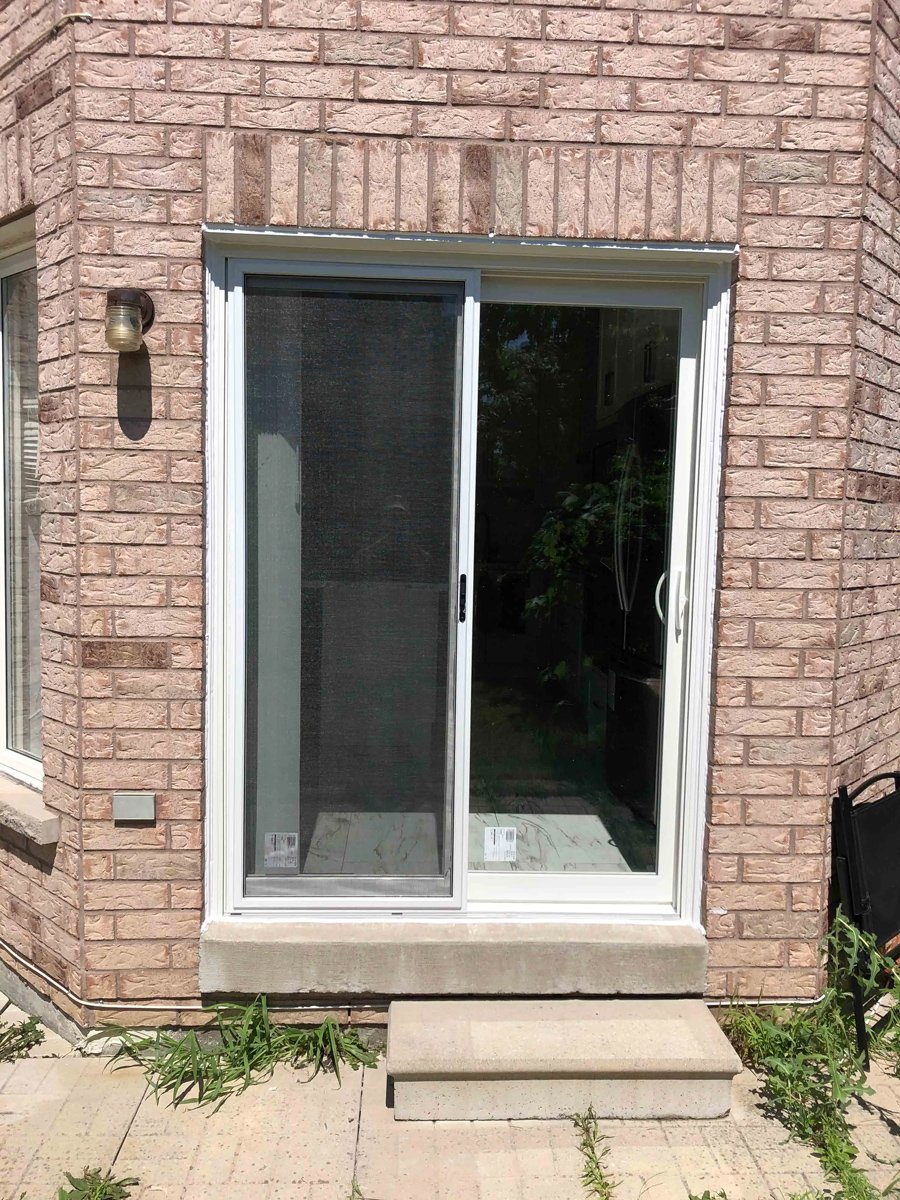
Standard Sliding Door Size and Measurements
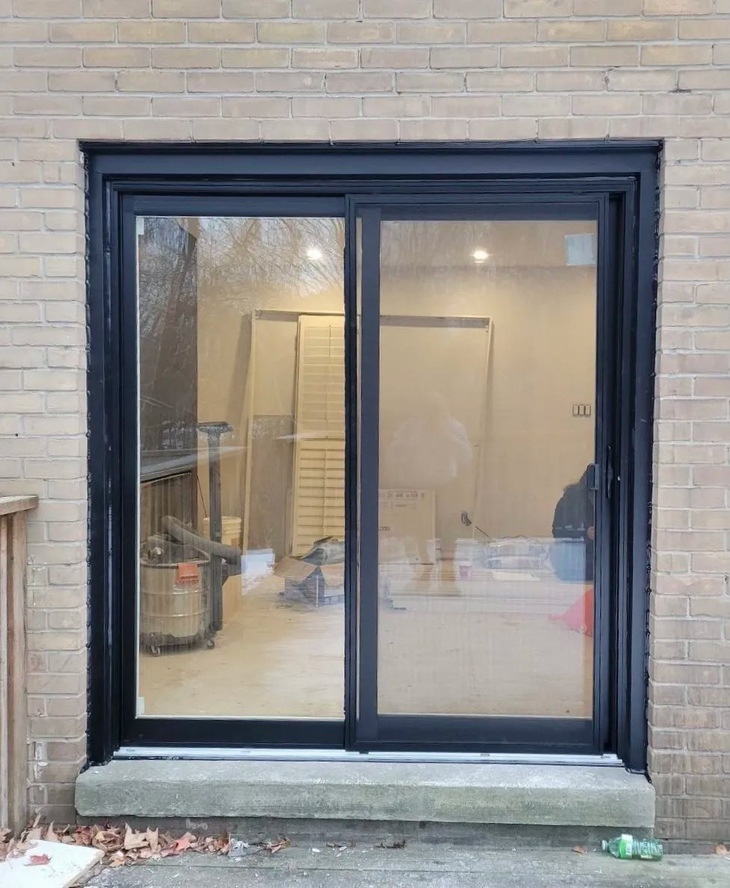
The standard sliding door size is designed to fit typical home openings, with production and professional installation. The height of most sliding doors remains constant, while their width varies with the number of panels.
When inquiring about how wide a sliding glass door is, one needs to obtain exact measurements from a door professional.
The most typical sliding door configurations are:
- 2-panel sliding door is the most picked choice for narrower openings.
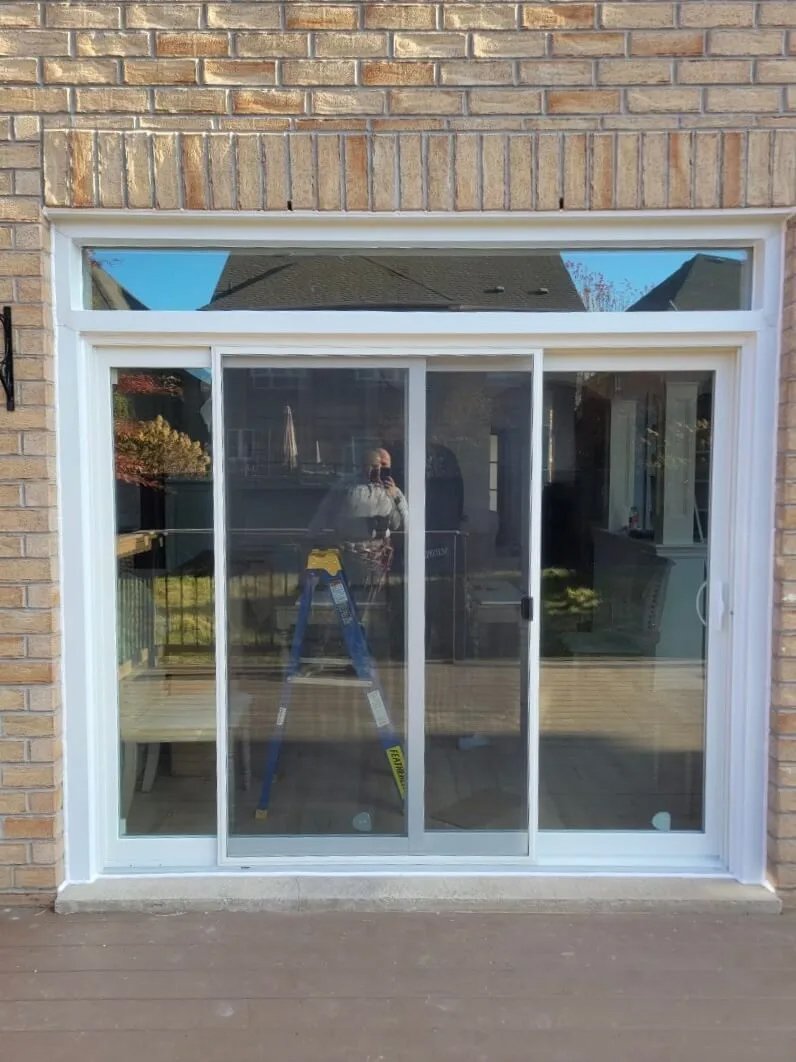
- 3-panel door is suitable for larger areas, visually opening the space.
| Type | Width | Height |
|---|---|---|
| 2-panel sliding door | 59 5/8"(5') 58 5/8"(5' Michigan) 71 5/8"(6') 59 5/8"(5') 71 5/8"(6') 95 5/8"(8') | 79 5/8" 95 5/8" |
| 3-panel sliding door | 89 3/8"(7.5') 107 3/8"(9') 143 3/8"(12') 89 3/8"(7.5') 107 3/8"(9') 143 3/8"(12') | 79 5/8" 95 5/8" |
Additional value: Sliding doors offer excellent space-saving benefits, as they move horizontally rather than swing out, making them perfect for smaller spaces while still enhancing natural light and accessibility.
French Door Sizes and Dimensions
French door sizes or French door dimensions generally adhere to standard sizes intended for straightforward production and installation.
The typical French door configurations are:
- Steel or Fibreglass,
- With standard or oversize sidelites,
- With single or multiple transoms.
The common standard french door size: 58”, 62“, 66“, 70“, 74“ by 82.5”, 98.5”.
- Symmetrical opening vs sliding doors:
French doors provide a harmonious, timeless appearance with both panels swinging open.
Sliding doors consist of a stationary panel and a sliding panel, conserving space.
- Space requirements for swing doors:
French doors require unobstructed swing space on either side.
Sliding doors save space, perfect for smaller areas.
Additional value:
Aesthetics: French doors offer a classic, sophisticated look with broader access when both slabs are swung open.
Functional differences: French doors provide full access and improved airflow but require more space than sliding alternatives.
Patio Door Size Comparison: Sliding vs French Doors
Selecting the appropriate patio door size depends on your layout, available space, and intended use of the opening.
Here’s a brief comparison of patio door dimensions and characteristics:
| Feature | Sliding Doors | French Doors |
|---|---|---|
| Width options | Flexible: 60”- 144” | Typically fixed pairs: 60”-74” |
| Space needed | Minimal (no swing space needed) | Needs swing space (inward or outward) |
| Operation | Panels move along a horizontal track. | Hinged doors open outward |
| Best use | More compact area. | Broader spaces, traditional designs. |
Additional value: Sliding doors are most effective in a limited space, and you need larger patio door dimensions to minimize interference.
French doors are perfect when you have space for their swing and want a traditional, balanced appearance.
For many homeowners, the choice boils down to layout efficiency versus style preference.
Why Patio Door Size Matters for Your Home
Selecting the appropriate size for your patio door has a direct effect on the comfort and efficiency of your home:
- Energy efficiency: Bigger doors allow for more glass space. The appropriate size, along with high-quality glazing, helps preserve indoor comfort and reduce energy costs.
- Natural light: Larger or higher patio doors let in more natural light, enhancing the brightness and openness of rooms.
- Ventilation: The size of the door affects airflow, aiding the effective circulation of fresh air.
- Accessibility: An adequate width and larger openings are perfect for bustling household designs.
Additional value: A homeowner with a small living room might opt for a standard 2-panel sliding door to conserve space, whereas someone leading to a backyard deck could favour a larger 3-panel or French door configuration for improved access, light and ventilation.
Custom vs Standard Patio Door Sizes
- When standard sizes work:
- Replacing a current door with a comparable patio door size.
- Desire for faster production and lower costs.
- Only slight installation modifications are required.
- Basic installation with no extras involved.
- When custom sizing is required:
- Your home entry has a larger space.
- You are modifying a design or creating a bigger entrance, wall cutting, as an example.
- You desire a distinct style, such as multiple panels, increased height, one-of-a-kind configuration.
Cost implications:
- Standard dimensions: less expensive because of faster manufacturing.
- Custom dimensions: increased expenses due to specialized production and materials.
Installation complexity:
- Standard doors: faster, easier installation.
- Custom doors: might require structural modifications and extended timelines.
Additional value: if possible, opt for standard patio door dimensions to reduce costs and simplify installation; custom alternatives should be used primarily for exceptional configurations where standard sizes are unsuitable.
Common Mistakes When Choosing Patio Door Dimensions
- Incorrectly measuring the rough opening.
- Focusing solely on the visible opening rather than the complete rough opening may result in improper fit and expensive modifications.
- Disregarding frame thickness. Door frames occupy space; neglecting to account for this can lessen the glass area and create installation problems.
- Neglecting clearance (particularly with French doors). Swinging doors require space to open fully; failing to account for this may obstruct furniture or limit functionality.
- Selecting size based on appearance only. Bigger doors can be visually appealing, but might not fit your wall configuration or layout.
- Neglecting energy efficiency ratings. Larger doors may result in increased heat loss if not appropriately rated. Always verify energy performance for your climate.
Additional value: Always measure twice, account for operational space, and seek professional advice to prevent structural alterations and additional expenses.
How to Measure for a Patio Door Correctly
Precise sliding door measurements prevent costly installation issues and ensure a proper fit.
Step-by-step measuring instructions:
- Measure width at 3 points. Take measurements of the opening at the upper, central, and lower parts. Note the smallest measurements.
- Measure height at 3 points. Take measurements from the upper edge of the opening to the sill on the left, middle, and right sides. Again, note the smallest measurements.
- Verify the depth of the opening. Make sure the wall thickness can support the door frame and tracking system.
- Verify the level and square. With a level measure from corner to corner diagonally, the measurements might not even need modification.
Additional value: Despite precise measuring, it's highly recommended to have an expert perform the final sliding door measurements to guarantee accuracy and prevent installation issues.
How to Choose the Right Patio Door Size in Canada
Selecting the appropriate standard patio door size or average patio door size in Canada involves more than just appearance, as climatic factors are significant.
- Climate considerations: In chilly areas, larger doors increase the likelihood of heat loss. Larger openings enhance natural light, but they need to be coordinated with energy efficiency.
- Insulation requirements: seek multi-pane (double or triple glass), insulated frames, and low-E coatings to minimize heat transfer - crucial for Canadian winters.
- ENERGY STAR-certified doors meet essential efficiency standards for your climate zone, helping lower heating costs.
Additional value: Sealing by a professional is important. A well-sized door will still fail to function properly if it isn't sealed correctly. Proper installation, effective weatherstripping, and insulated frames are crucial for blocking drafts and moisture problems. Every single point matters!
Why Work with Vinyl Light for Patio Doors
- Experience with Canadian homes.
Vinyl Light Windows & Doors recognizes the challenges posed by Canada’s climate, from icy winters to muggy summers, ensuring your patio doors are designed for longevity and energy efficiency. - Premium high-quality manufacturing.
Patio doors from Vinyl Light are constructed from high-quality materials, built for durability, effortless functionality, and enhanced insulation. - Precise sizing and installation.
Accurate measurements and expert installation minimize drafts, stop air leaks, and guarantee a proper fit, which is crucial for energy efficiency. - Custom and standard solutions.
Vinyl Light provides adaptable solutions for both standard sliding door dimensions and custom fits for distinct openings, avoiding excessive structural modifications.
Example scenario: A homeowner replaces an old patio door with a properly sized contemporary sliding door from Vinyl Light, resulting in improved insulation, enhanced operation, and more practical daily use.