
Builder-grade windows and doors meet code, not peak performance, which means many GTA homeowners notice drafts, condensation, or higher energy bills within the first few years of moving into a new build. Upgrading is worth considering once you understand the builder's warranty coverage for those components and, where relevant, it has run its course.
A new build can create a false sense that everything, including the windows and doors, is top of the line simply because it is new. In practice, builders often choose these components to control construction costs, and homeowners usually discover the difference.
This is not a criticism of any particular builder. Controlling costs on windows and doors is a normal part of how new-home pricing works across the industry, and homeowners should understand what that trade-off means for day-to-day comfort once they move in.
Key Takeaways
- "Builder-grade" describes windows and doors chosen to meet minimum code requirements at a controlled cost, not top-tier performance.
- Certain weak points consistently show up in builder-grade windows and doors within the first few years.
- Ontario's mandatory new-home warranty coverage plays a role in deciding when and how to upgrade.
- The right window of time to upgrade after moving in depends on the situation.
- Homeowners gain real, measurable benefits from upgrading sooner rather than later.
What "Builder-Grade" Actually Means
Builder-grade windows and doors are the minimum-code products a builder selects to control costs across an entire new-build project, meeting occupancy requirements without necessarily offering the performance a homeowner might assume comes standard.
The difference between builder-grade and the upgraded lines Vinyl Light installs as replacements usually comes down to frame construction, glass package, and hardware quality- the parts of a window or door that are invisible until something starts to underperform.
This is why two homes that look identical from the street can perform very differently once winter arrives. The visible finish tells you almost nothing about what is happening inside the frame or between the panes of glass.
Common Weak Points in Builder-Grade Windows and Doors
Thinner frames and lower-end glass packages are the most common starting point for underperformance, since these are among the easiest places to control cost across dozens or hundreds of units in a new development.
Basic hardware and weatherstripping tend to wear or degrade faster than higher-grade components, which shows up over time as a window or door that no longer seals as tightly as it did when new.
Drafts, condensation, and noise transfer are the complaints new homeowners report most often, and they typically trace back to exactly these weak points rather than a single obvious defect.
These issues also tend to worsen gradually rather than appear all at once, which is why a homeowner might not notice anything unusual in year one but find the same windows noticeably drafty by year three or four.
How to Spot Builder-Grade Products in Your Own Home
Checking for a manufacturer label or model sticker on the window frame, often tucked into a corner of the sash, is a straightforward first step toward understanding exactly what was installed.
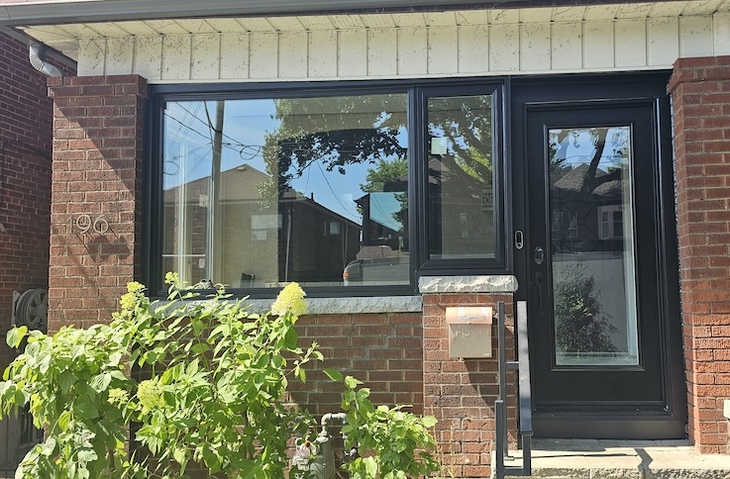
A basic visual check- thin frame profiles, single-pane or older double-pane glass with no visible spacer bar detail, and simple lever or latch hardware- can also indicate a builder-grade product even without a label to confirm it.
A window or door professional can usually confirm what is installed within a few minutes during an in-home visit, which is often a faster and more reliable route than trying to identify the product from photos or a model number alone.
How New-Home Warranty Coverage in Ontario Factors In
New homes in Ontario carry a mandatory new-home warranty administered by a provincial warranty program, which covers certain defects for a defined period after closing.
Before paying out of pocket for a repair, check exactly what the warranty covers, since some window and door issues may qualify as a covered defect rather than something the homeowner must address independently.
In some cases, an upgrade becomes the more practical option even while warranty coverage is technically still active, particularly if the underlying issue is a performance limitation of the product itself rather than a specific defect the warranty is designed to fix.
When Is the Right Time to Upgrade After Move-In?
Waiting out warranty-covered defects makes sense when a specific issue is likely to be repaired or replaced under the new-home warranty, since that coverage can resolve the problem at no direct cost.
Upgrading proactively makes more sense once a homeowner notices a pattern- recurring drafts, high energy bills, or persistent condensation- that points to a performance limitation rather than a single fixable defect.
Replacing, rather than continuing to repair, becomes the more sensible choice once the frequency or cost of repairs approaches what a genuine upgrade would cost.
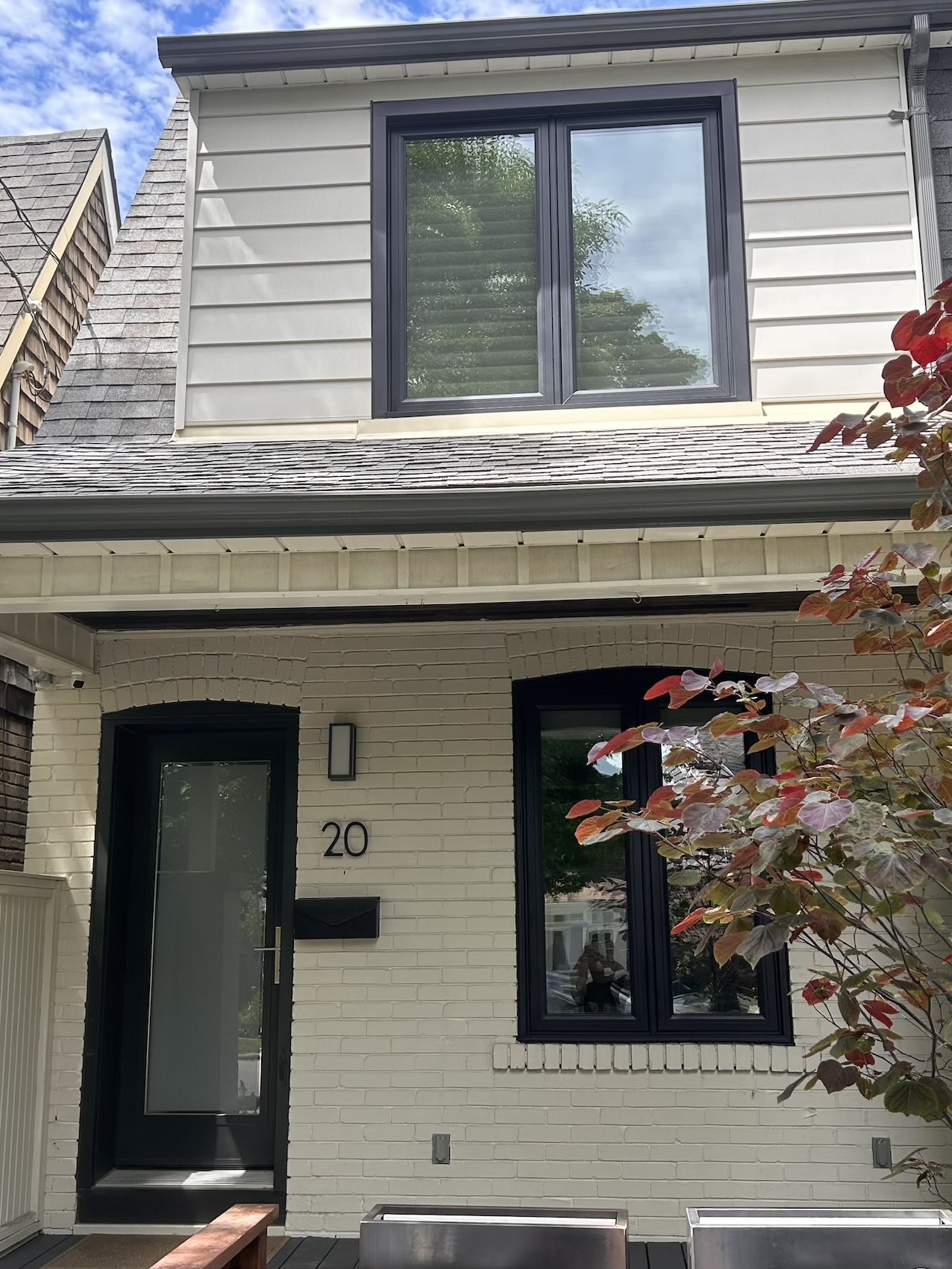
What You Gain from Upgrading Sooner Rather Than Later
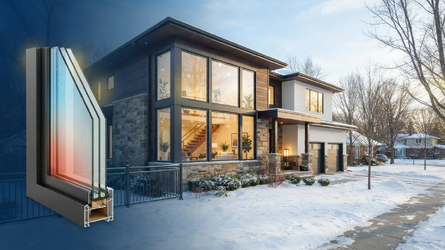
Energy efficiency gains over builder-grade glass packages are often the most noticeable improvement, particularly through a GTA winter, when the difference between a basic double-pane unit and a higher-performance window is felt directly on the heating bill.
Better hardware, security, and long-term durability round out the case for upgrading, since these components are most likely to underperform first in a builder-grade product.
There is also a simpler, everyday benefit that is easy to overlook: windows and doors that open, close, and lock smoothly without effort, rather than sticking or requiring extra force, particularly during winter when materials contract.
Why Work with Vinyl Light on a Post-Build Upgrade
Vinyl Light has experience replacing builder-grade windows and doors in newer GTA homes, so our team understands where these products tend to fall short.
Custom sizing lets us match existing openings exactly, so the upgrade fits cleanly into a home already finished around its original windows and doors.