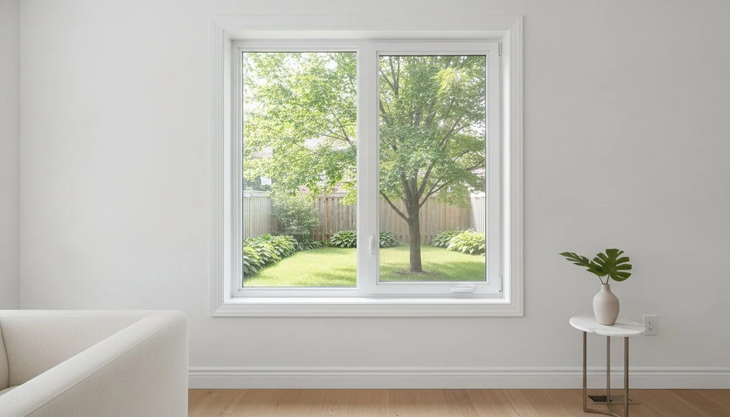

Is your old window frame actually a thermal hole in your wall that's draining your bank account every winter? Most homeowners realize that persistent drafts and ice build-up are signs of a failing home envelope, yet the search for high-quality vinyl windows often leads to more confusion than clarity. You shouldn't have to decode complex energy ratings just to keep your family comfortable. It's time to stop the guesswork and choose a professional standard that guarantees results.
Discover why high-efficiency vinyl windows are the gold standard for the Canadian climate and how the right style can slash your heating bills. We'll provide a clear look at the pros, cons, and costs associated with tilt and turn designs. This guide simplifies the selection process so you can secure a quiet, draft-free home environment backed by a lifetime warranty. Get ready to boost your curb appeal with a factory-direct standard that is built to last.
Key Takeaways
- Learn why premium uPVC is the only material engineered to withstand the Canadian freeze-thaw cycle without cracking or warping.
- Understand how multi-chambered frames and Low-E glass coatings work together to slash your monthly utility bills.
- Compare popular styles like casement and awning to find the perfect balance of airtight seals and all-weather ventilation.
- Differentiate between retrofit and full-frame installations to ensure your high-performance vinyl windows deliver their full energy-saving potential.
- Discover how the factory-direct model eliminates middleman markups while providing a lifetime warranty for long-term peace of mind.
What Are Vinyl Windows and Why Are They the Canadian Standard?
If you're walking through any modern Canadian neighbourhood, you'll notice a consistent trend: vinyl windows dominate the landscape. This isn't a coincidence or a temporary fad. It's a calculated response to one of the harshest climates on earth. Traditional materials like wood and aluminum simply struggle to keep up with the extreme temperature swings we experience. Modern vinyl is engineered to be a "set and forget" solution that protects your home while looking brand new for decades.
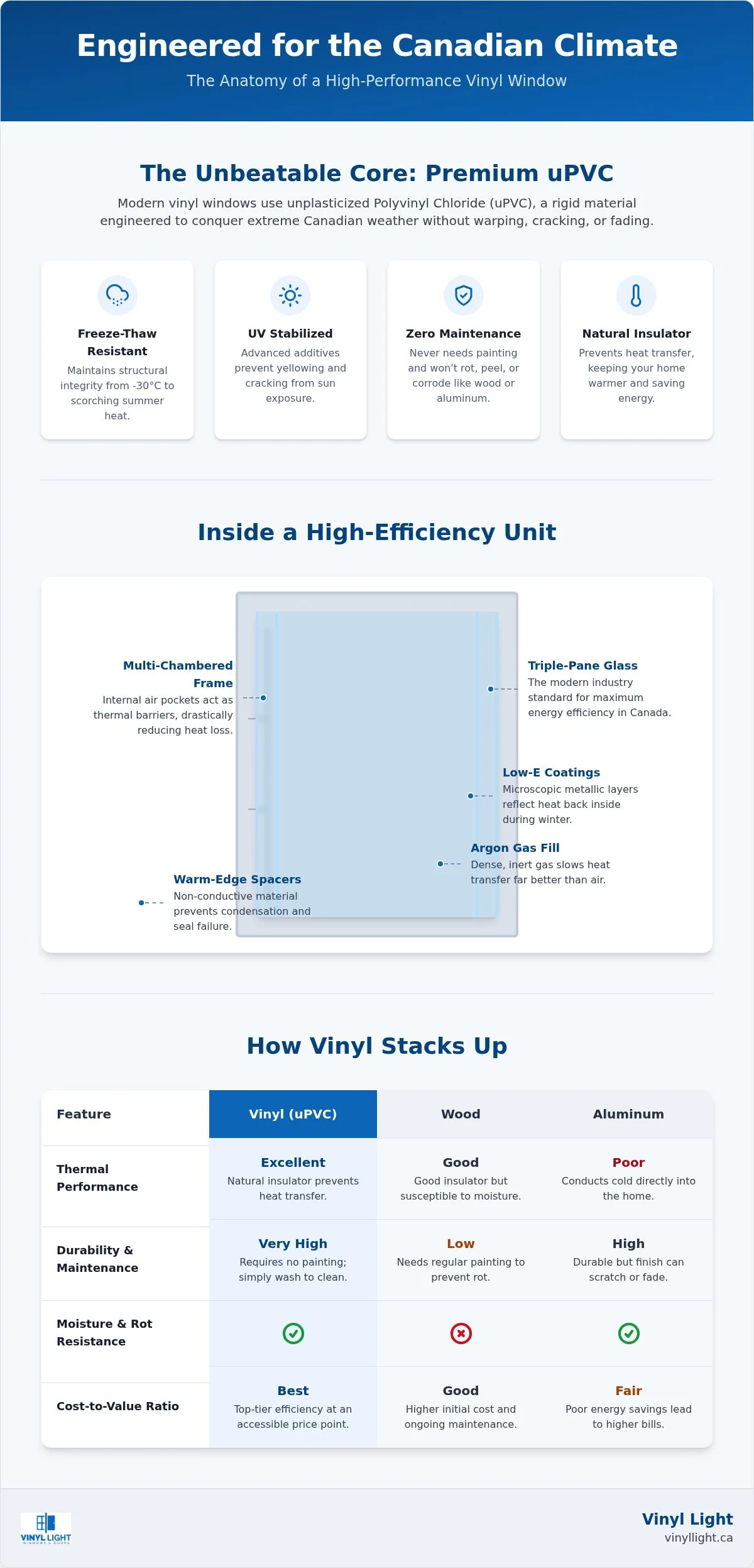
The secret lies in the chemical composition of the frames. While early versions of vinyl had a reputation for being flimsy, today's high-performance products use uPVC, or unplasticized polyvinyl chloride. This material is specifically designed to be rigid and stable. It doesn't contain the plasticizers that make standard PVC flexible and prone to degradation. For a homeowner, this means your frames won't warp when the sun hits them or become brittle when the mercury drops to minus thirty. You get a window that maintains its structural integrity and airtight seal regardless of the season.
The Evolution of uPVC Technology
The industry has come a long way since the basic plastic frames of the 1980s. Modern uPVC is packed with advanced UV stabilizers and impact modifiers that prevent the yellowing and cracking once associated with the material. These additives ensure the finish stays crisp and white even after years of intense sun exposure. Beyond the chemistry, the physical design has evolved too. Premium frames now feature a multi-chambered internal structure. These air pockets aren't just for weight reduction; they create a series of thermal barriers that trap air and prevent heat transfer. uPVC is a lead-free, recyclable, and highly insulative material used in premium window frames.
Vinyl vs. Other Materials: A Quick Comparison
Why choose vinyl over wood or aluminum? The answer comes down to three critical factors: performance, durability, and cost.
- Thermal performance: Aluminum is a natural conductor, meaning it literally pulls the cold from the outside and brings it into your living room. Vinyl is an insulator. It keeps the heat where it belongs, inside your home.
- Durability: Wood frames are beautiful but high-maintenance. They are prone to rot, moisture absorption, and pest infestations. Vinyl is completely inert; it won't rot, peel, or ever require a fresh coat of paint.
- Cost-to-value ratio: In 2026, vinyl continues to offer the best return on investment for Canadian renovations. It provides the energy efficiency of high-end composites at a fraction of the price, especially when sourced through a factory-direct model.
Choosing vinyl means you're investing in a material that survives the Canadian freeze-thaw cycle without breaking a sweat. It's the most efficient way to lower your bills and eliminate the tedious chore of window maintenance for good.
The Anatomy of a High-Efficiency Vinyl Window
A truly high-performance window is more than just a piece of glass sitting in a plastic frame. To understand why modern vinyl windows are so effective, you have to look at the engineering hidden within the profile. Most premium frames feature a multi-chambered design. These internal walls aren't just for strength; they create a series of dead-air pockets that act as a powerful thermal barrier. This labyrinth prevents the outside cold from reaching the inner surface of the frame, keeping your home's interior warm to the touch even during a deep freeze.
The glass unit is equally complex. Low-E (low-emissivity) coatings are microscopically thin layers of silver or other metals applied to the glass surface. They act like a thermal mirror. In the winter, they reflect your furnace's heat back into the room. In the summer, they block solar radiation from overheating your living space. Between these panes, manufacturers inject Argon or Krypton gas. These gases are much denser than air, which significantly slows down heat transfer through the unit. To keep these panes perfectly aligned, warm-edge spacers are used. These non-conductive components prevent the "cold edge" effect that typically leads to condensation and eventual seal failure.
Understanding Canadian Energy Ratings (ER)
The Energy Rating (ER) is your best tool for comparing performance across different brands. It isn't just a random number; it's a formula that balances heat loss, air leakage, and solar heat gain. For the Canadian climate, looking for the ENERGY STAR label is non-negotiable. As we move toward 2026 standards, triple-pane vinyl windows are quickly becoming the industry baseline for national energy efficiency. If you want to see how these components fit your specific home style, you can view our high-efficiency window options to compare technical specs.
NAFS Standards and Structural Performance
Performance isn't just about heat; it's about structural integrity. The North American Fenestration Standard (NAFS) measures how well a window resists extreme wind pressure and heavy water penetration. For larger window sizes, high-quality frames often include internal structural reinforcement to prevent bowing over time. Every corner should be fusion-welded rather than just screwed together. This process melts the vinyl into a single, permanent, and leak-proof bond. It ensures the frame remains airtight for the duration of its lifespan, regardless of how much the ground shifts or the house settles.
Choosing the Right Style: Matching Function to Your Home
Are you prioritizing maximum airflow or an airtight seal? Choosing the right vinyl windows isn't just about matching your home's exterior colour; it's about how you use your living space every day. Every room has different needs, and the style you select will dictate your comfort for the next twenty years. From the way a sash opens to the tightness of the weatherstripping, the mechanics matter just as much as the aesthetics.
High-Performance Casement and Awning Windows
Casement windows are widely considered the gold standard for energy efficiency. Why? It comes down to the seal. Because these windows swing outward like a door, they utilize compression weatherstripping. When you crank the window shut, the sash is pulled tight against the frame, creating a vacuum-like barrier against the wind. This design makes them significantly more airtight than any sliding model. Awning windows offer a similar advantage but hinge from the top. They are the perfect solution for rainy Canadian afternoons. The glass sash acts as a protective roof, allowing you to enjoy fresh air without letting a single drop of water into your home. These styles are ideal for kitchens and bathrooms where you need easy-crank operation over a sink or counter. The Ultimate Guide to Casement Windows: Efficiency and Style
Sliding and Hung Windows for Classic Utility
If you own a traditional home, single-hung or double-hung windows help preserve that timeless architectural look. Double-hung windows are particularly smart for multi-storey houses. Both the top and bottom sashes tilt inward, which means you can clean the exterior glass from the safety of your hallway. No ladders required. For wider openings where a swinging sash would be in the way, sliding windows are the go-to choice. They move horizontally on a track, making them perfect for rooms facing patios or narrow walkways. End-vent sliders are a specific favourite for massive openings. They provide a clear, panoramic view while offering ventilation at both ends of the unit. Understanding Window Styles: Hung and Sliding Options
Specialty Shapes and Architectural Designs
Want to transform your home's character? Bay and bow windows extend outward from your wall, creating a functional interior nook and flooding the room with natural light from multiple angles. Because of the flexibility of modern manufacturing, we aren't limited to basic rectangles. You can order custom shape windows including arches, circles, and rakes to match any unique architectural vision. These specialty units provide a high-end, custom look while maintaining the same thermal performance as standard vinyl windows. Specialty Windows: Bay, Bow, and Custom Shape Designs
The Installation Factor: Retrofit vs. Full-Frame Replacement
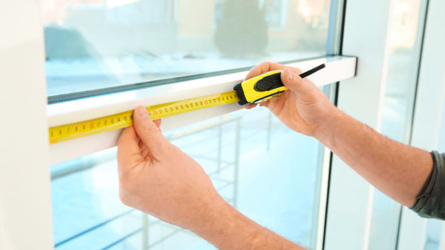
You can purchase the most advanced vinyl windows available, but their performance is only as good as the hands that install them. A premium window that isn't levelled, squared, and sealed correctly will eventually leak air and water, leading to the same high bills you were trying to avoid. Homeowners typically choose between two primary methods: retrofit or full-frame replacement. Understanding which one your home requires is the difference between a quick fix and a long-term investment.
A retrofit installation, often called an "insert," involves keeping your existing wood window frame and only replacing the sashes and tracks. This method is faster and costs less upfront because it preserves the original interior trim. However, it doesn't address any underlying issues like hidden rot or poor insulation within the wall cavity. On the other hand, a full-frame replacement involves removing the entire unit down to the structural studs. This allows installers to apply fresh low-expansion foam and professional-grade caulking around the entire perimeter, ensuring a continuous thermal envelope that stops drafts cold. To get the best results, you should request a professional installation assessment to see which path fits your home's condition.
When to Choose a Full-Frame Replacement
If you notice soft wood, peeling paint on your brickmould, or water stains on your drywall, a retrofit is not an option. These are clear signs of rot or water damage that must be addressed at the structural level. A full-frame replacement also allows you to maximize your glass area. Since retrofits sit inside an existing frame, they often result in slightly smaller windows. If you're looking to change your home’s style, such as switching from old sliders to high-efficiency casement units, removing the entire frame is the only way to ensure a perfect fit and proper operation.
Maintenance Tips for Your New Vinyl Windows
One of the biggest advantages of modern uPVC is how little work it requires after the installers leave. You'll never have to worry about sanding, painting, or staining your frames again. To keep them looking like new, follow these simple steps:
- Clean the frames: Use a simple mixture of mild soap and warm water to wipe down the uPVC surfaces once or twice a year.
- Lubricate the hardware: Apply a small amount of silicone-based lubricant to the hinges and tracks to ensure smooth, effortless operation.
- Check the weatherstripping: Ensure the seals are free of debris so they can maintain a tight compression when the window is closed.
Vinyl windows require zero painting or staining throughout their entire lifespan, making them the ultimate low-maintenance choice for busy Canadian families.
Maximizing ROI: The Value of Factory-Direct Vinyl Windows
How do you ensure your home improvement project actually pays for itself? Buying factory-direct is the smartest move a homeowner can make when upgrading to vinyl windows. Most retail outlets and big-box stores act as middlemen; they purchase units from a manufacturer and add a significant markup to cover their own overhead and profit margins. By choosing a factory-direct model, you eliminate these unnecessary costs. You receive premium, custom-manufactured products at a much lower price point without sacrificing quality. This approach also ensures better quality control, as the people who build your windows are the same ones who stand behind the installation.
A lifetime warranty is another critical factor in your return on investment. It isn't just a marketing slogan; it's a reflection of manufacturing confidence. When a company knows their uPVC frames and fusion-welded corners are engineered to survive decades of Canadian winters, they'll protect that product for life. This guarantee provides you with total peace of mind and serves as a powerful selling point if you ever decide to move. High-efficiency upgrades significantly boost curb appeal and resale value, as modern buyers prioritize homes that are already optimized for energy performance and low maintenance.
The Long-Term Savings of Energy Efficiency
The real financial benefit of vinyl windows reveals itself every month on your utility bill. High-performance units drastically reduce the load on your HVAC system. During a humid July or a freezing January, your furnace and air conditioner don't have to work nearly as hard to maintain a steady indoor temperature. This reduction in energy consumption saves you thousands of dollars over the lifespan of the windows. If you're planning your project, you can read more about Window Replacement Cost: Budgeting for Quality Performance to understand the balance between upfront price and long-term gain. Choosing these recyclable materials also lowers your home's carbon footprint, making it a win for both your wallet and the environment.
Final Checklist Before You Buy
Before you sign a contract, run through this final checklist to ensure you're getting a best-in-class standard:
- Verify the ratings: Ensure the products carry official ENERGY STAR labels and meet NAFS structural standards for air and water tightness.
- Analyze the warranty: Ask specifically if the lifetime warranty covers both the product and the labour. Some companies only cover the glass.
- Get a firm quote: Always ensure the company provides a free in-home estimate. This eliminates the risk of hidden fees and ensures the measurements are exact for your specific project.
Investing in high-quality vinyl is about more than just aesthetics. It's about securing a quiet, comfortable, and cost-effective home for the long haul.
Secure Your Home’s Future Performance
Choosing high-performance vinyl windows is the most effective way to protect your property from the unpredictable Canadian climate. You now understand that the secret to long-term comfort lies in the combination of premium uPVC engineering and a meticulous full-frame installation. By opting for ENERGY STAR-certified products, you aren't just improving your curb appeal; you're making a savvy financial decision that slashes monthly utility bills and boosts your home’s resale value for years to come.
Don't settle for middleman markups or a generic installation that fails when the first deep freeze hits. Our team combines nearly two decades of expertise with a factory-direct model that puts quality first. Every residential project is backed by a lifetime warranty and executed by professional local experts who prioritize your home’s thermal integrity. It's time to transform your living space into a quiet, draft-free sanctuary.
Get your free in-home estimate for factory-direct vinyl windows today!
Take the first step toward a more efficient home and enjoy the lasting peace of mind that comes with industry-leading craftsmanship.